
OneBAT Training on Bat Sanitary Surveillance
About the Training
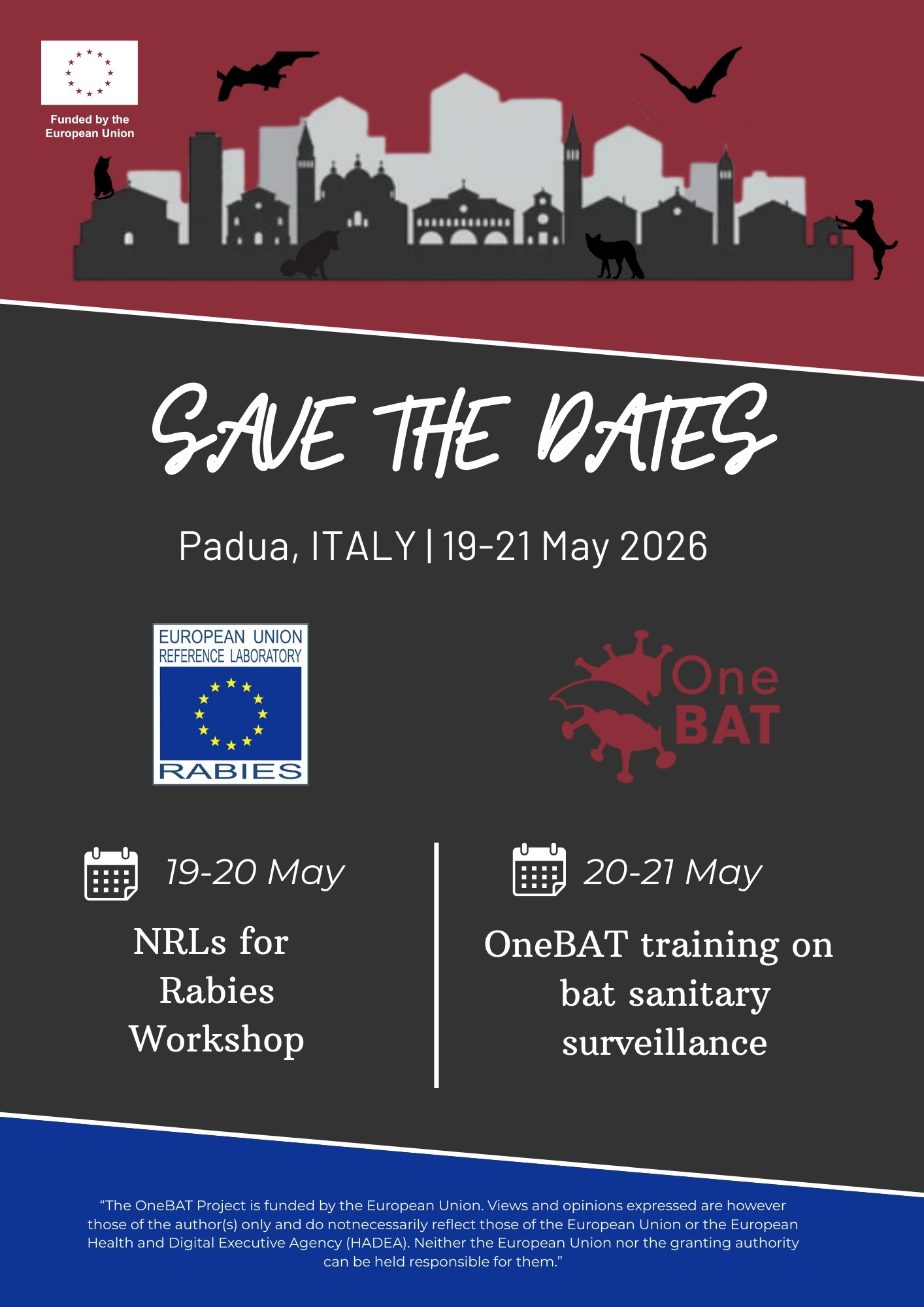
This event represents the first of two trainings planned within the project, with a second, more practice-oriented session to be hosted later in France.
In the preceding days (19–20 May 2026), the same venue in Padova hosted the NRLs for Rabies Workshop, organised by the European Union Reference Laboratories for Rabies. Although colocated, the two initiatives are separate events.
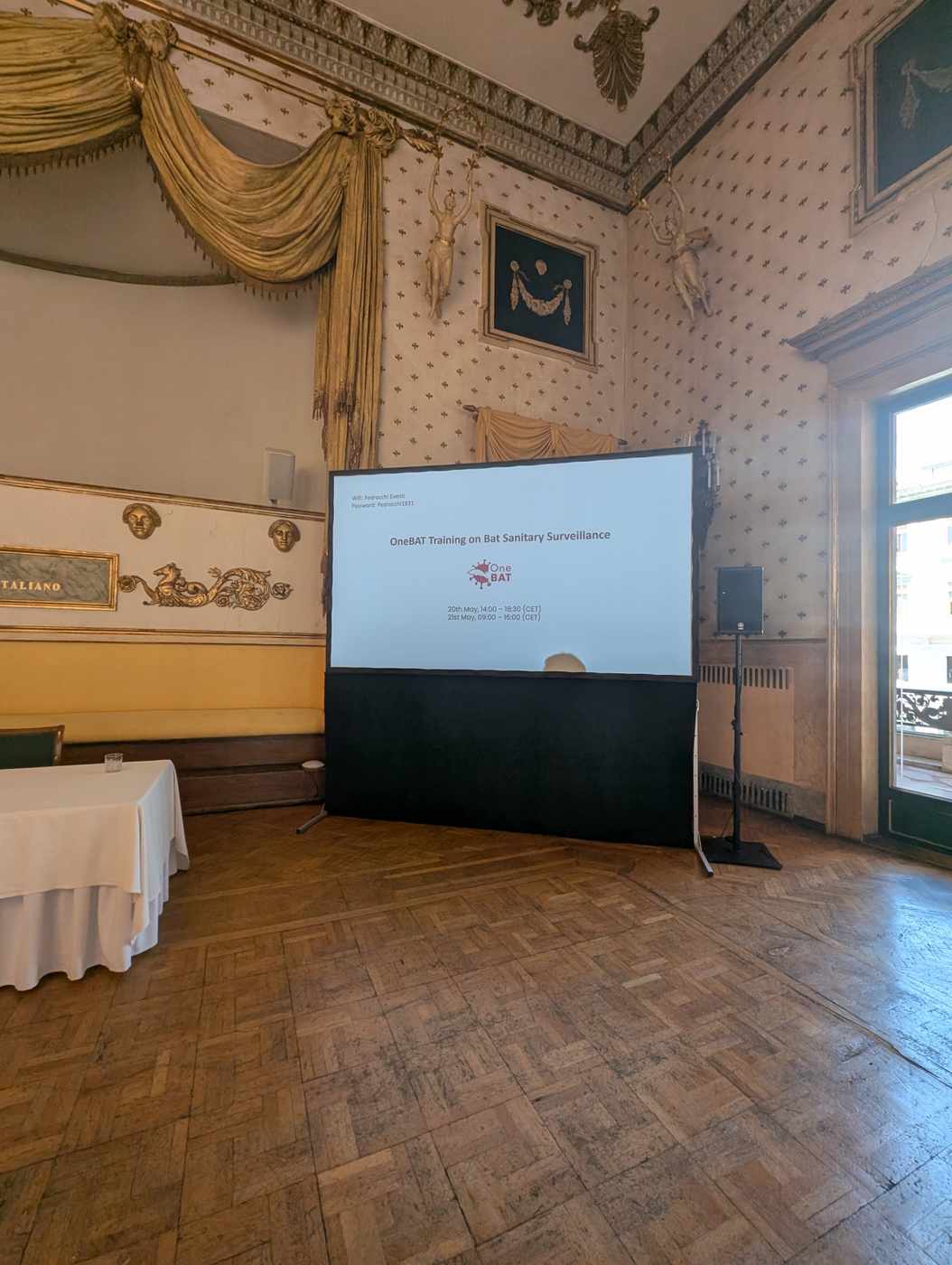
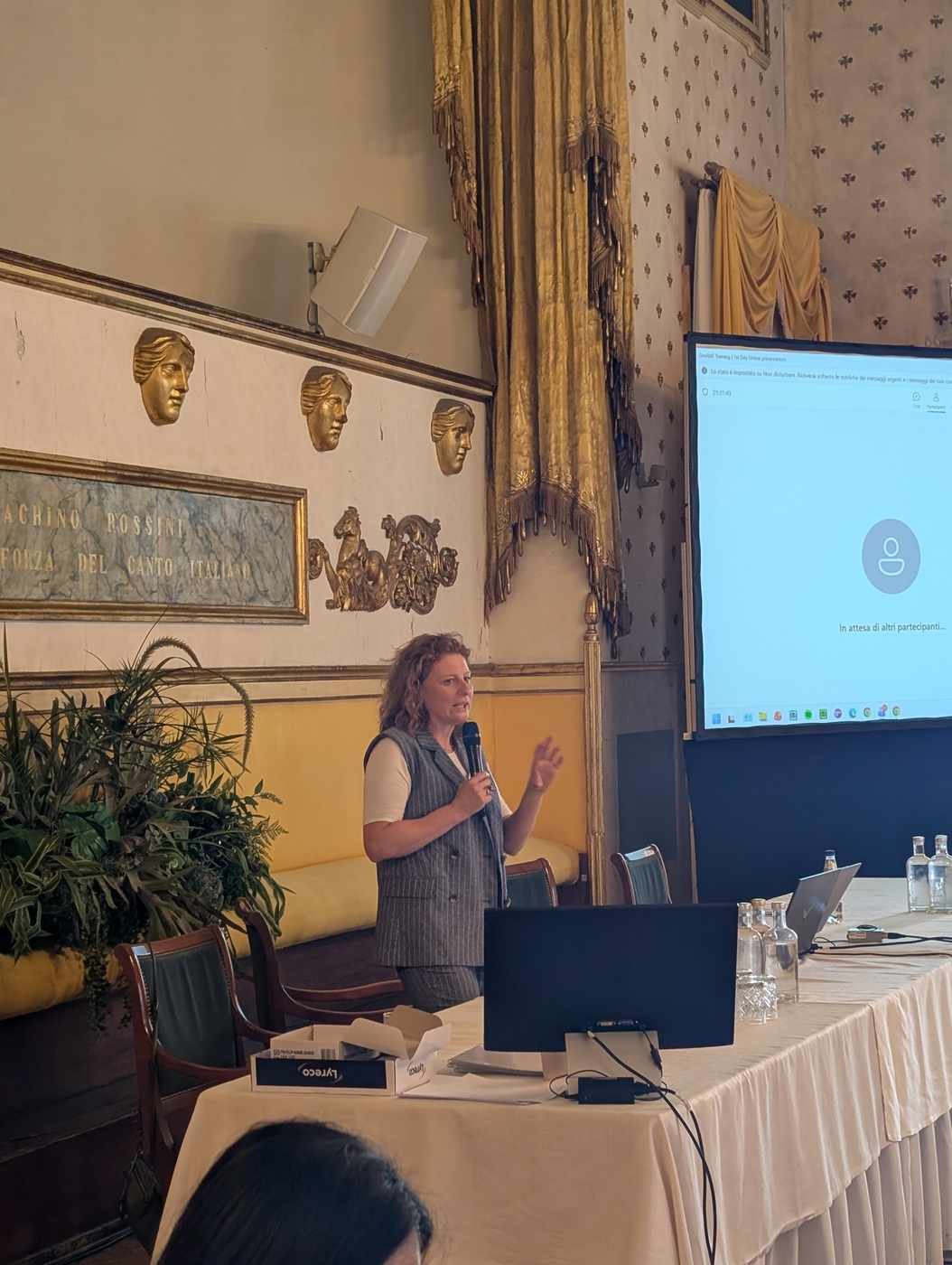
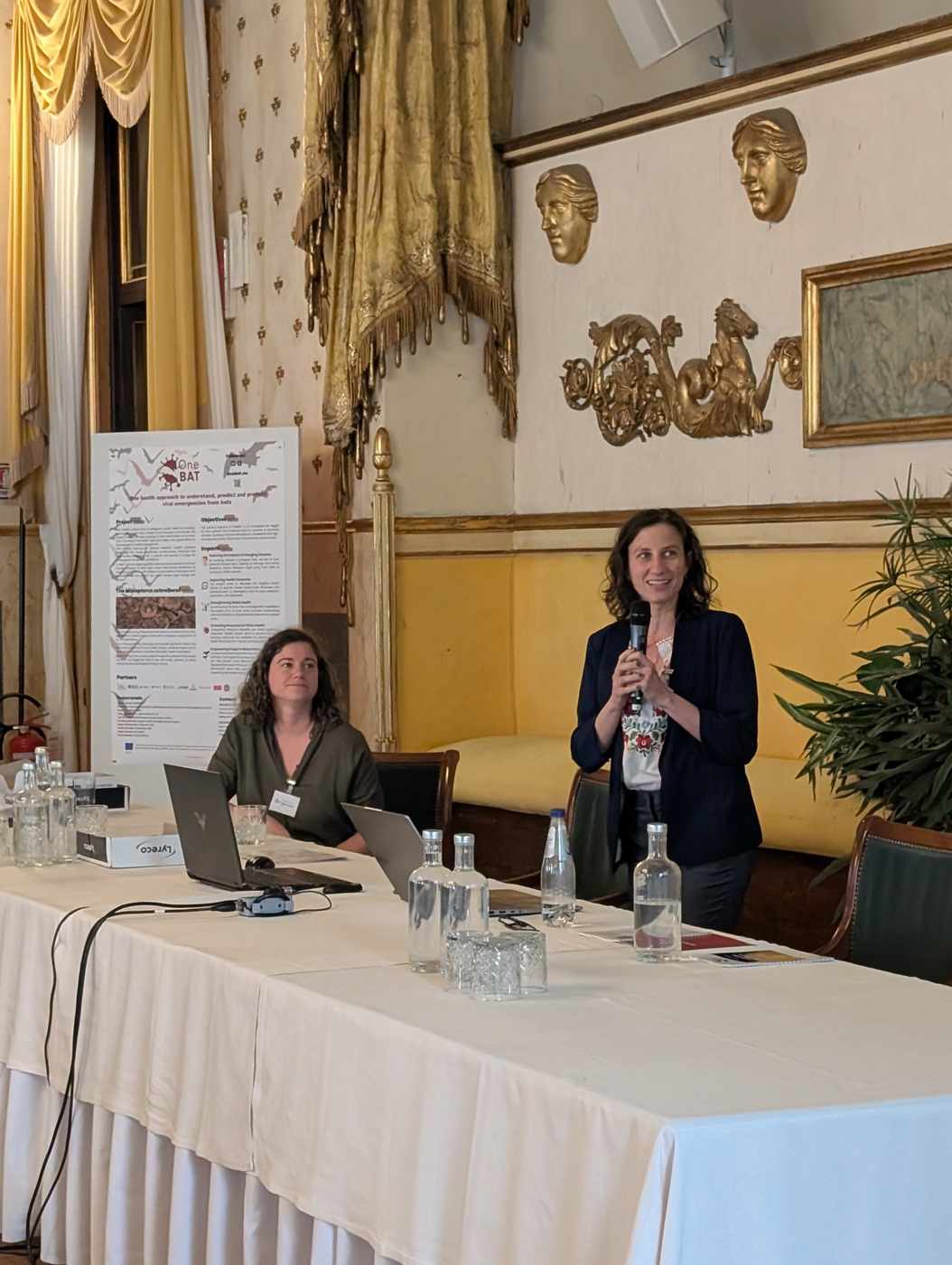
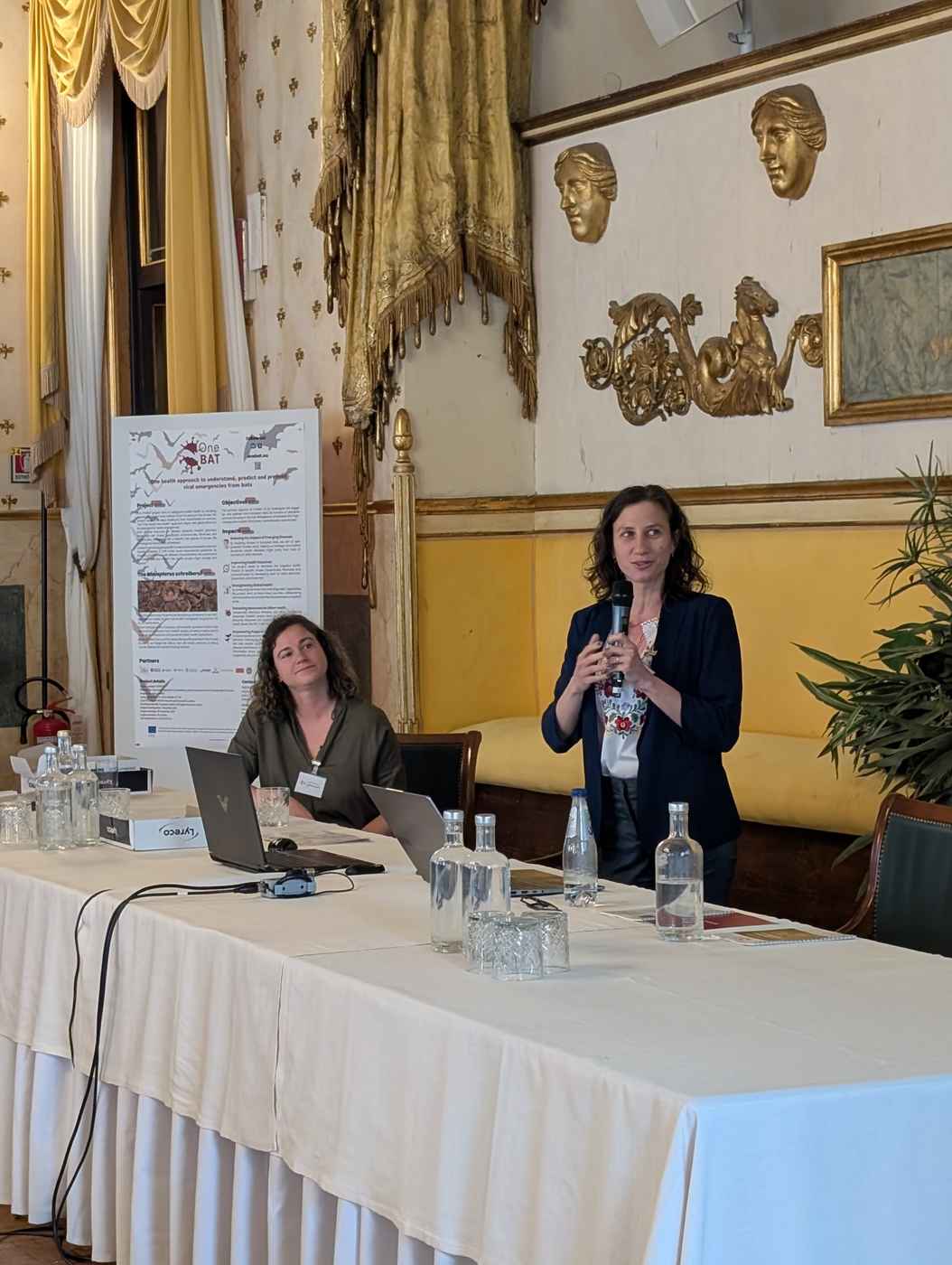
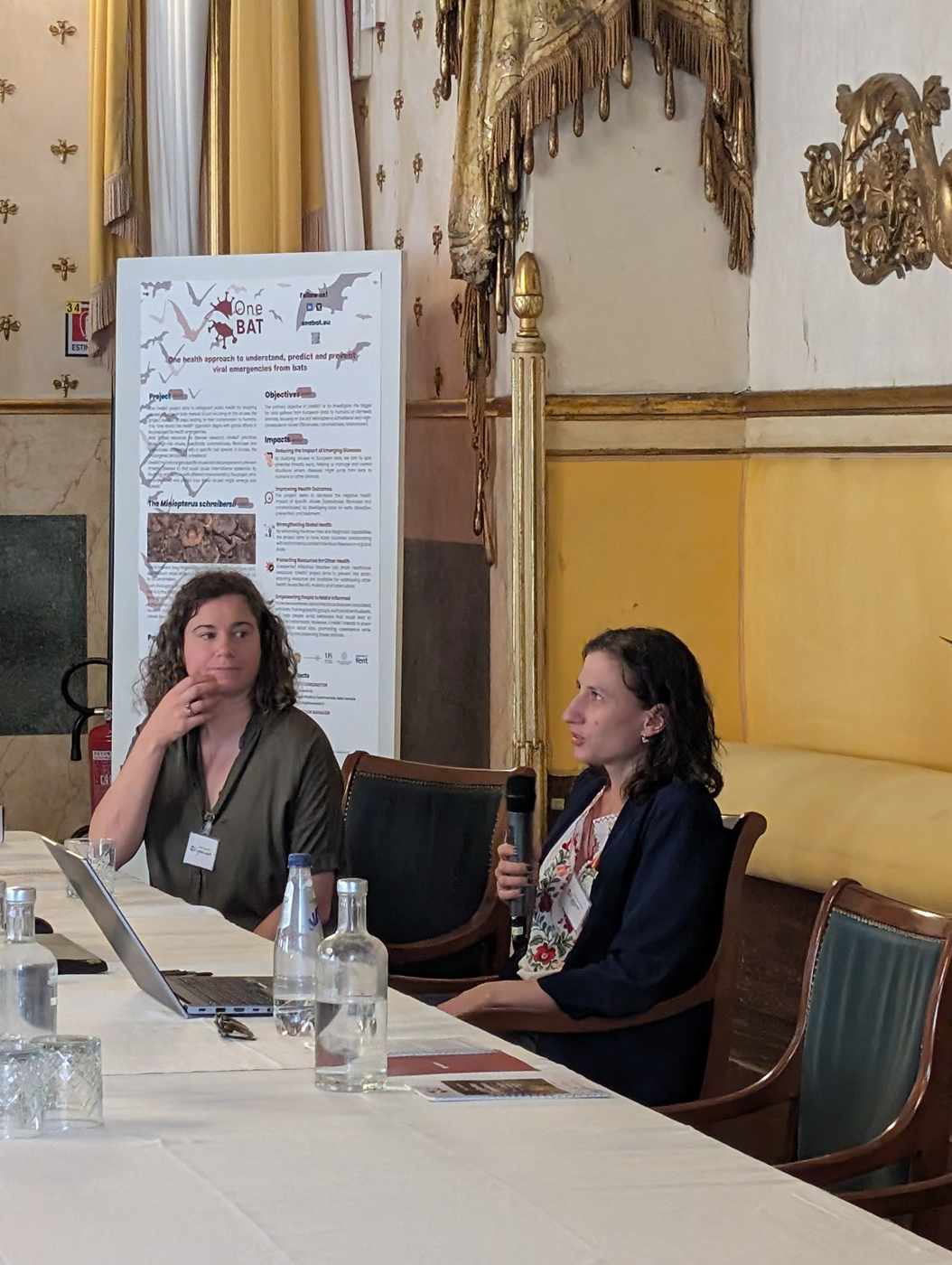
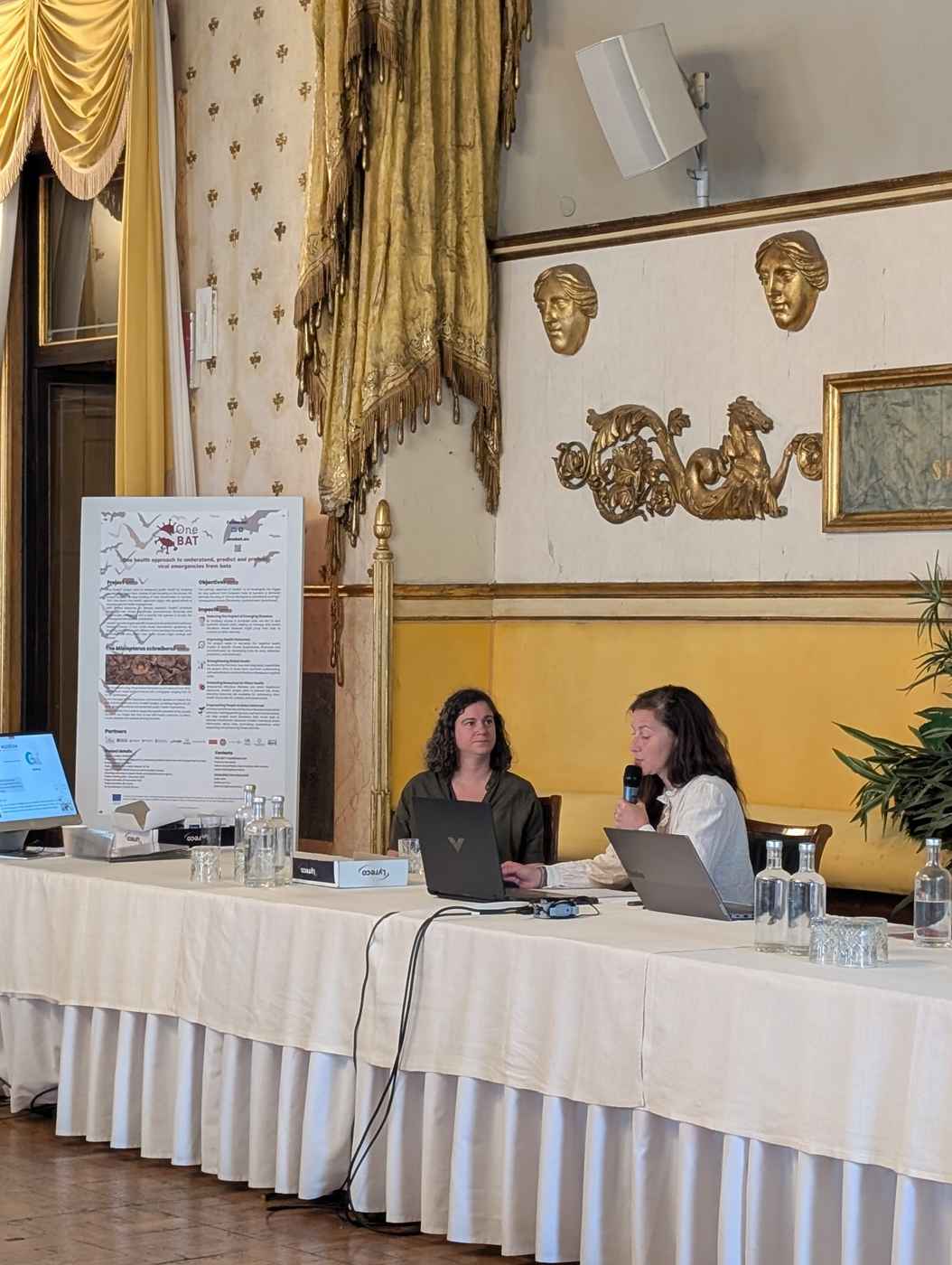
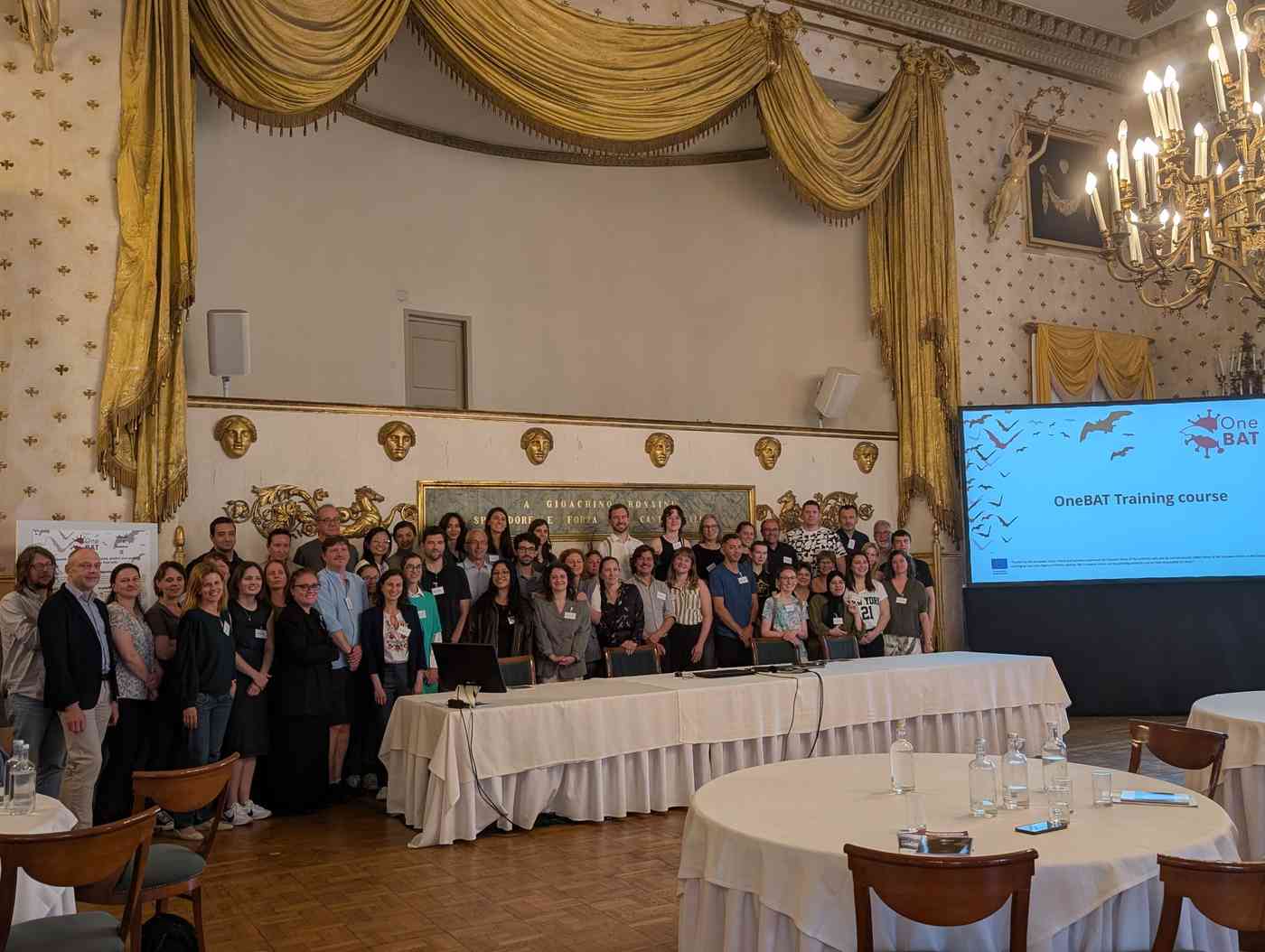
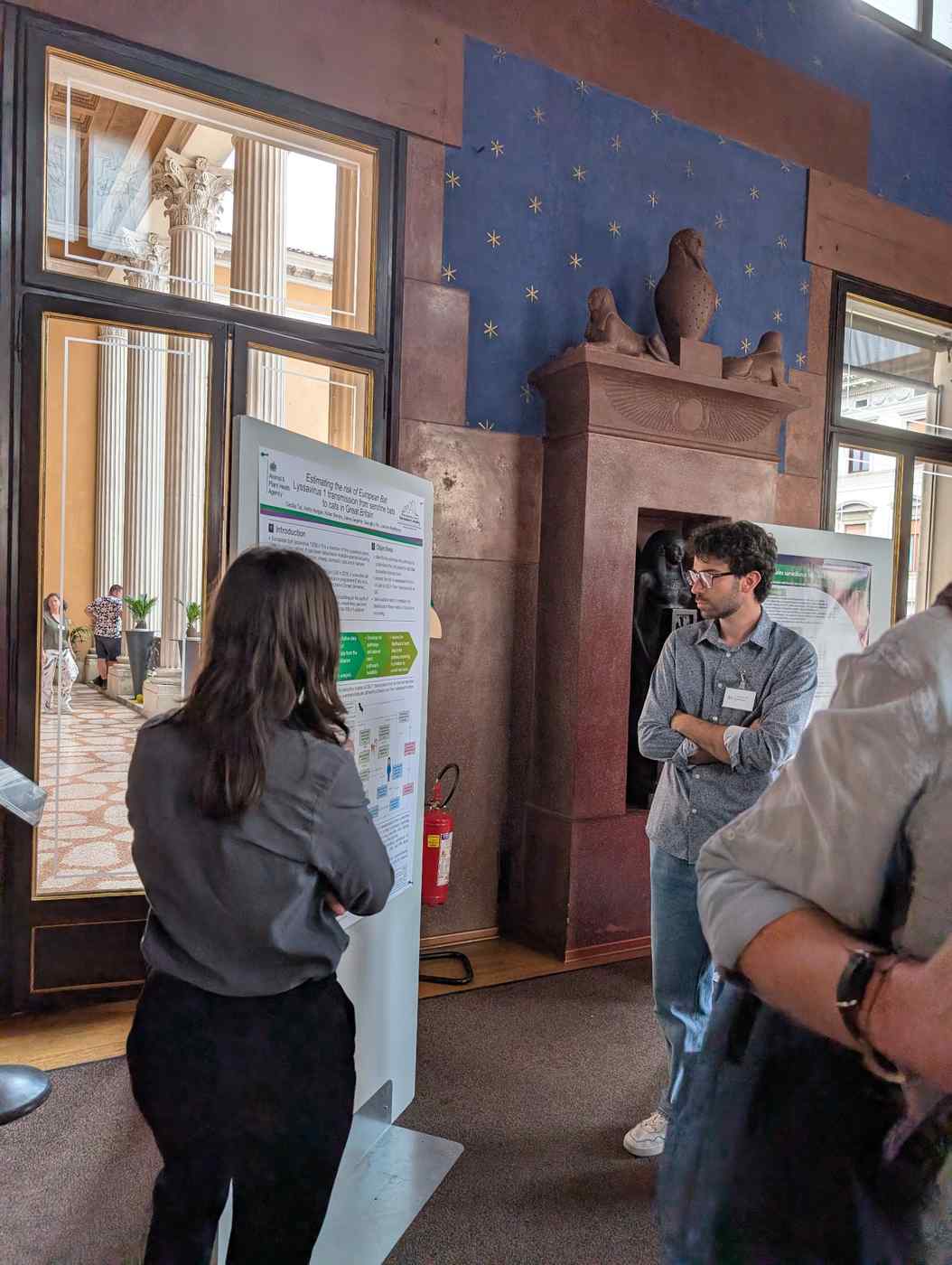
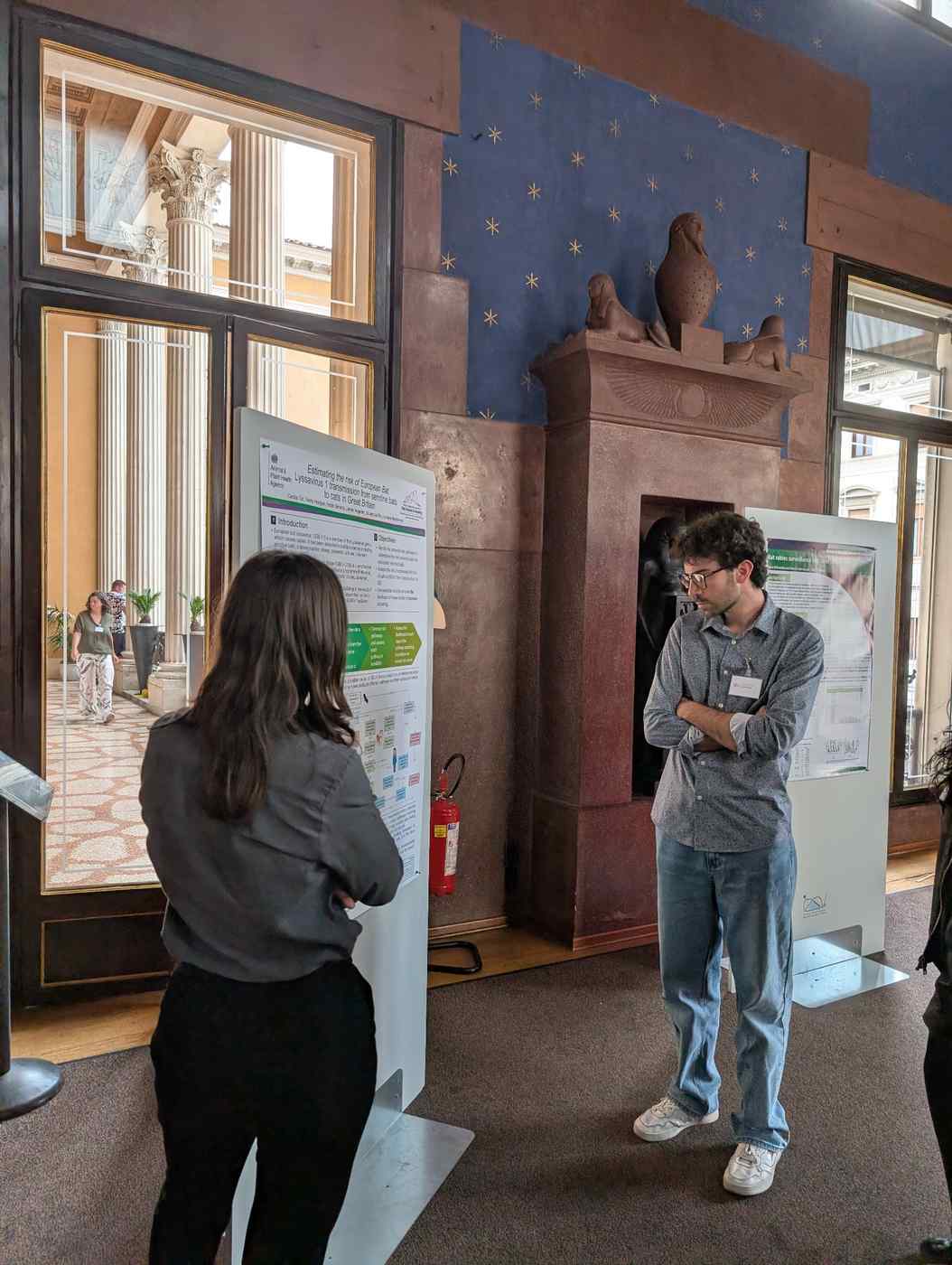
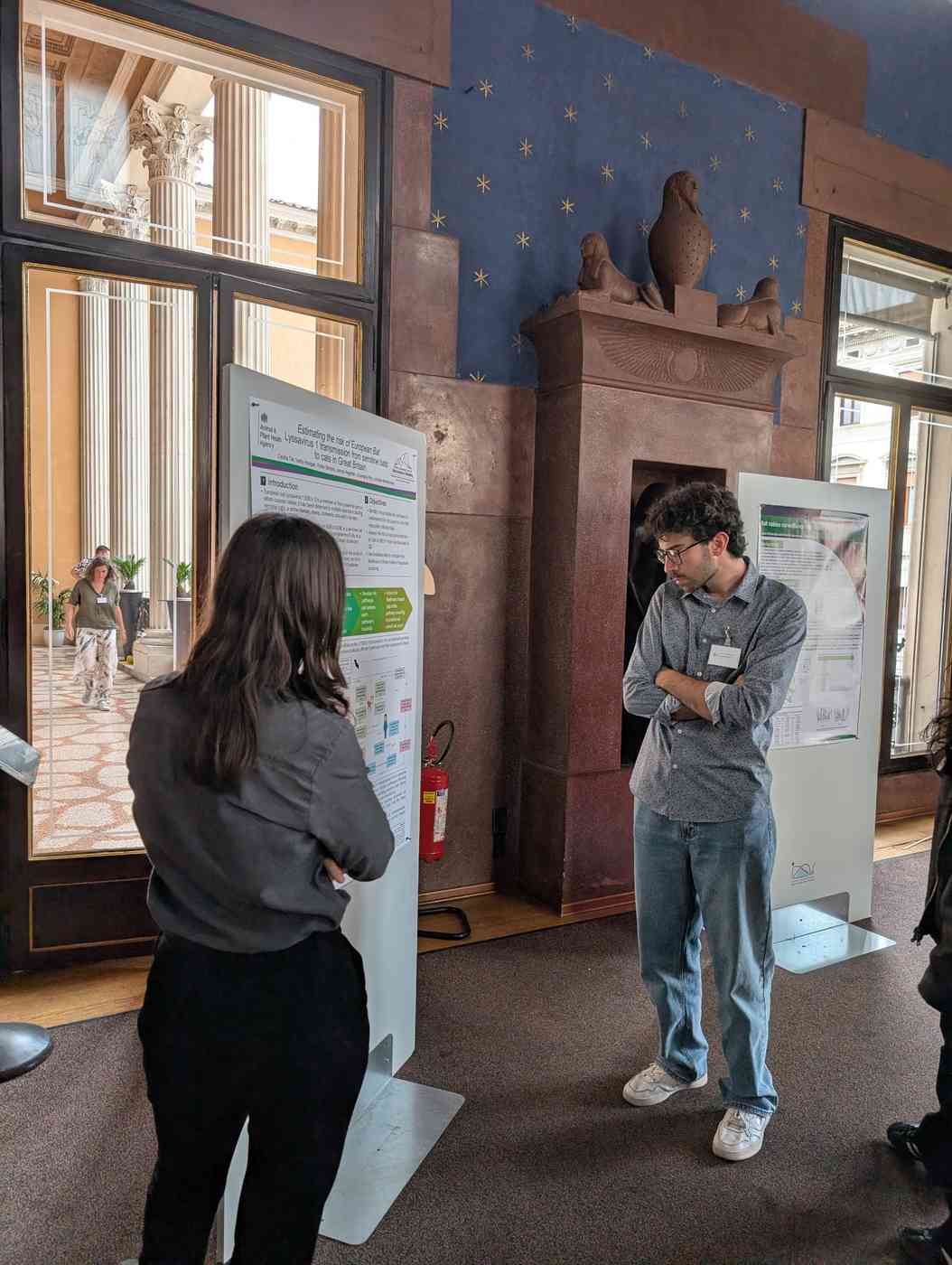
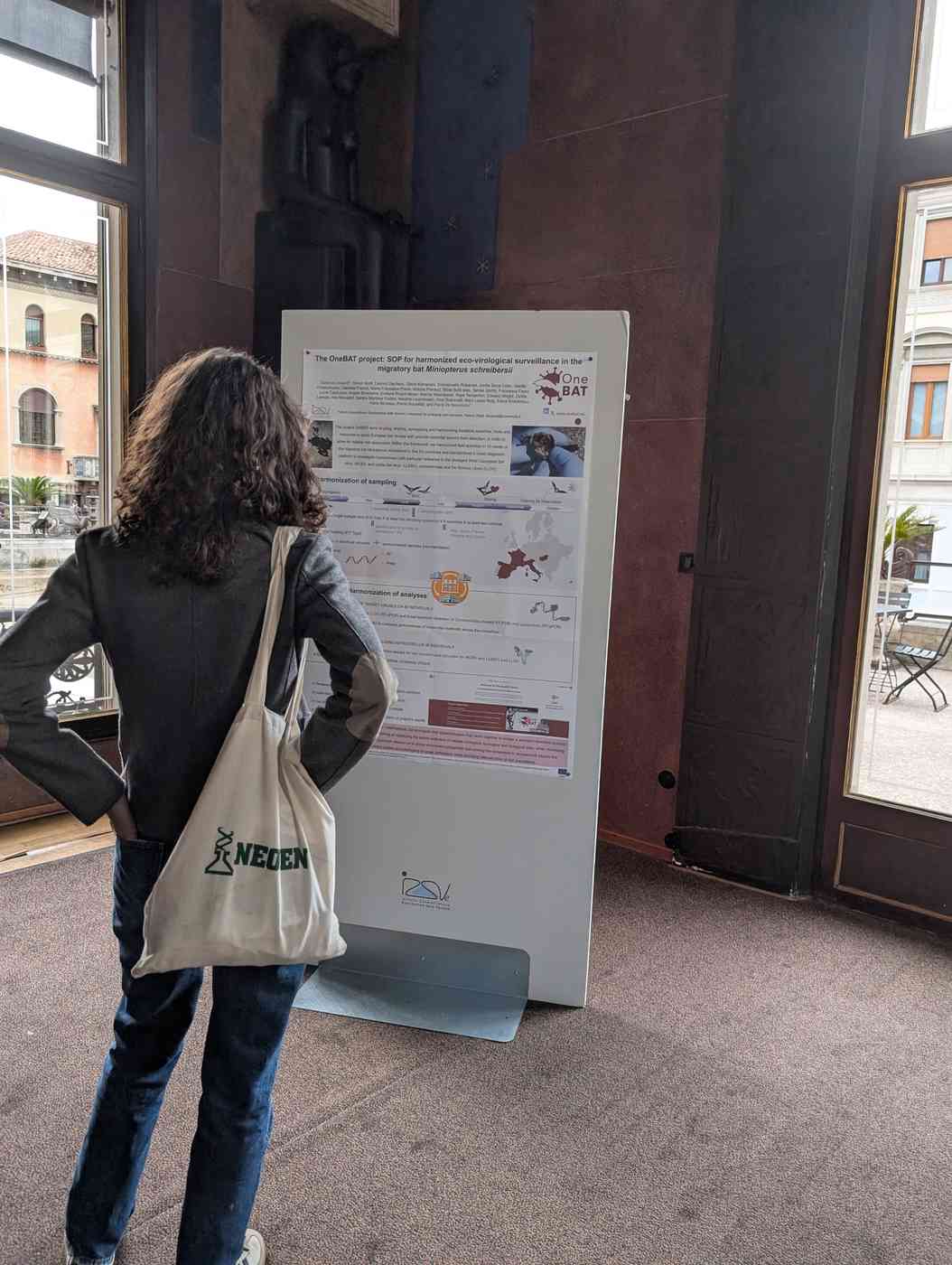
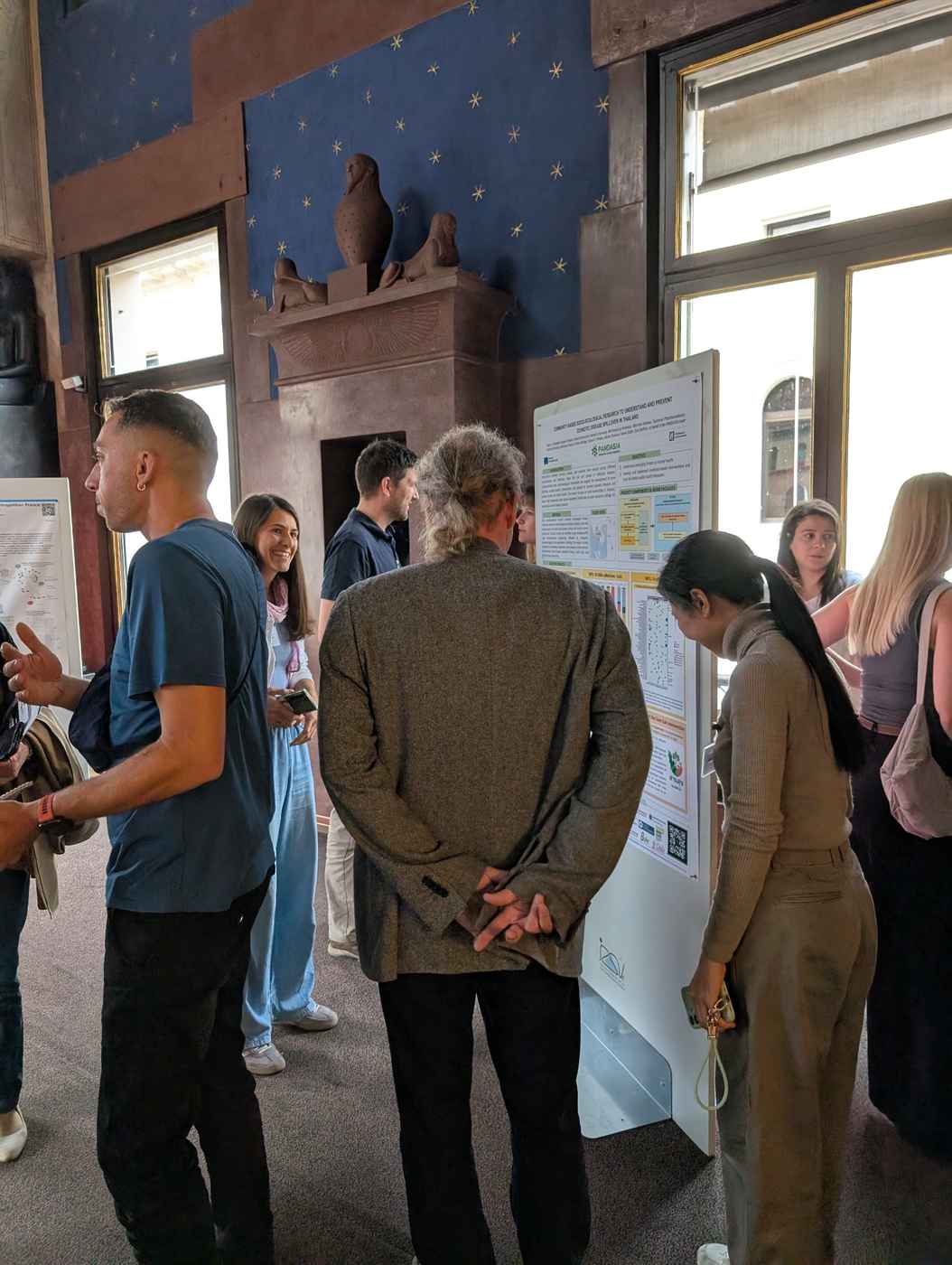
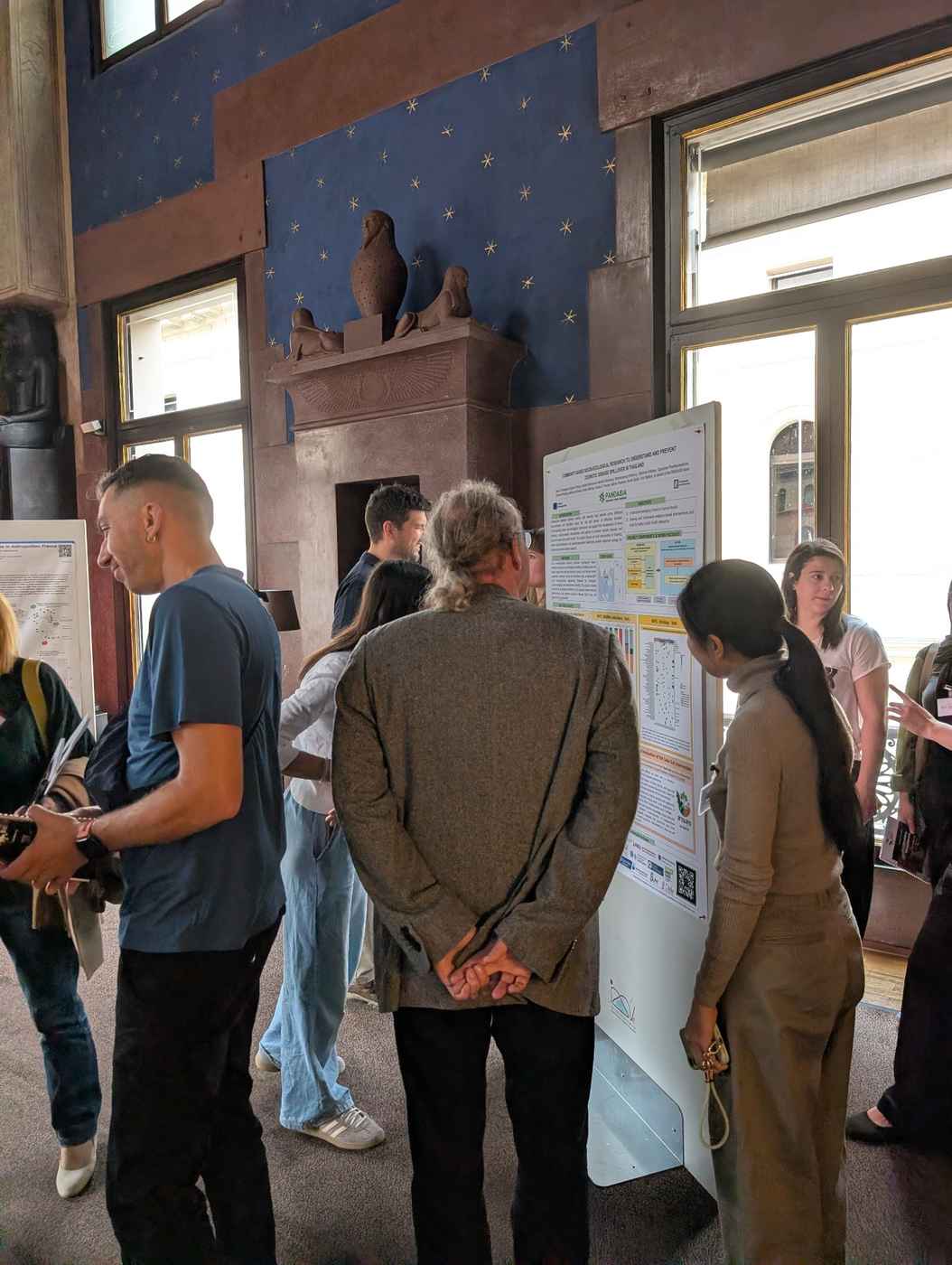
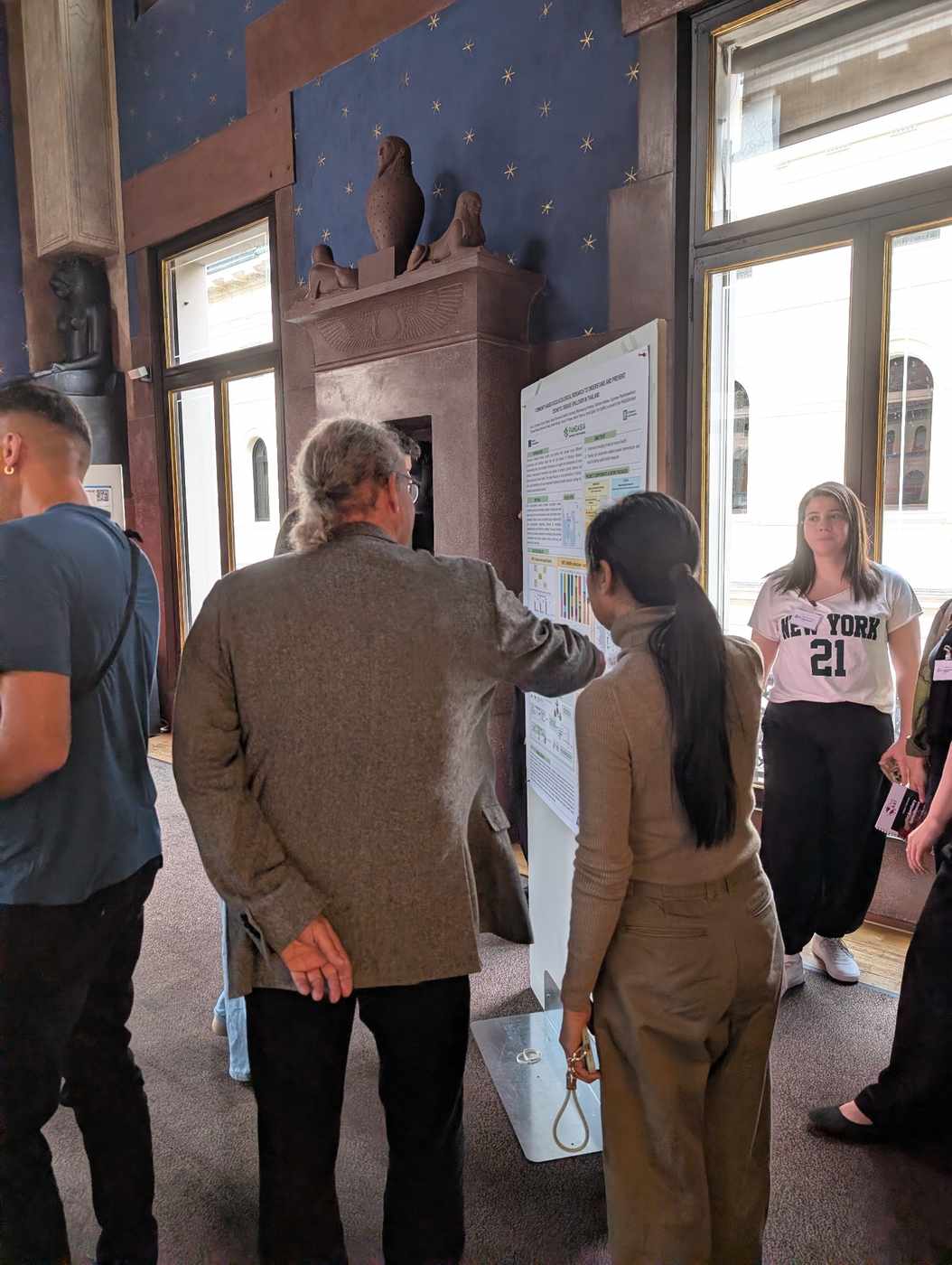
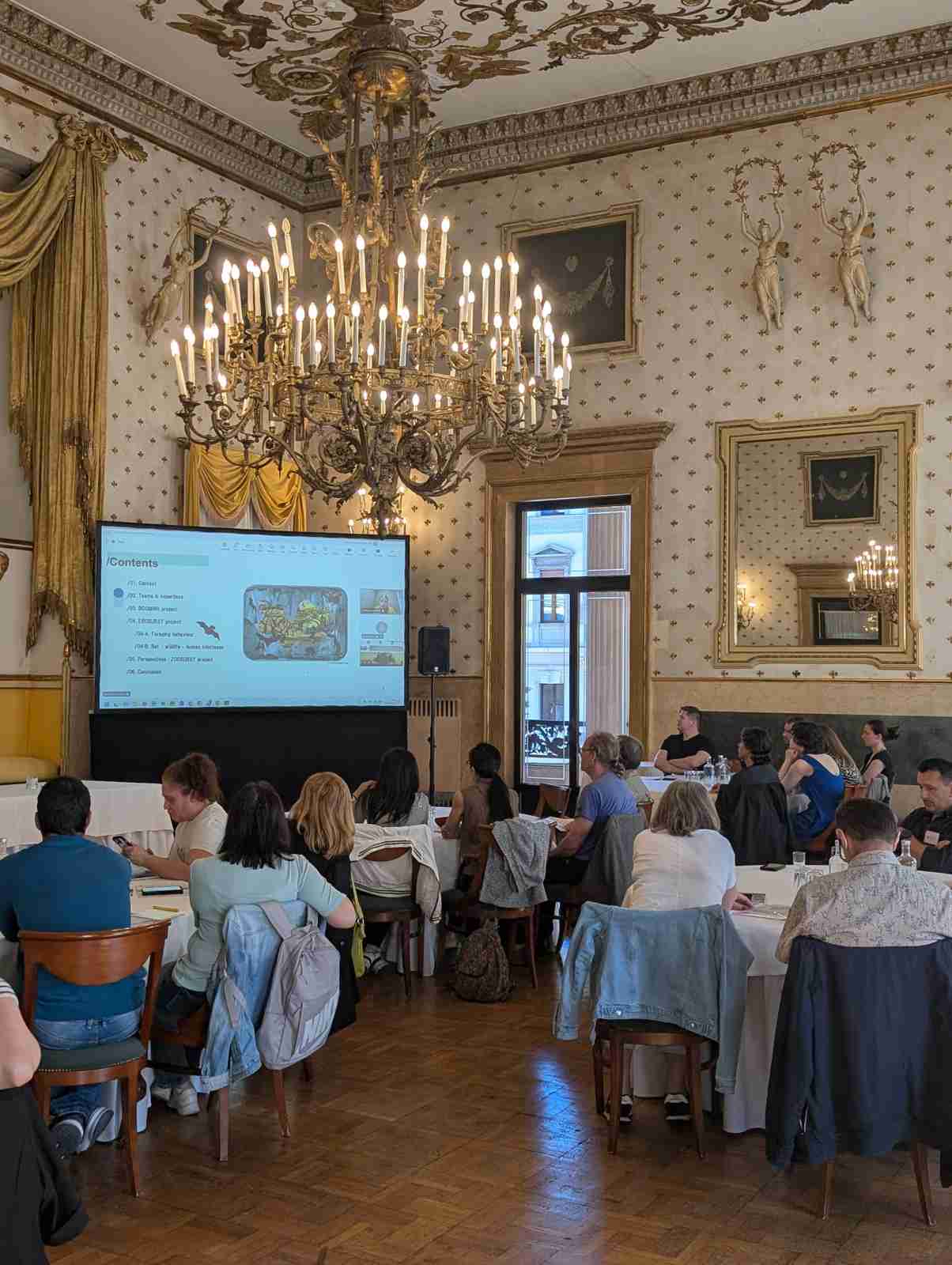
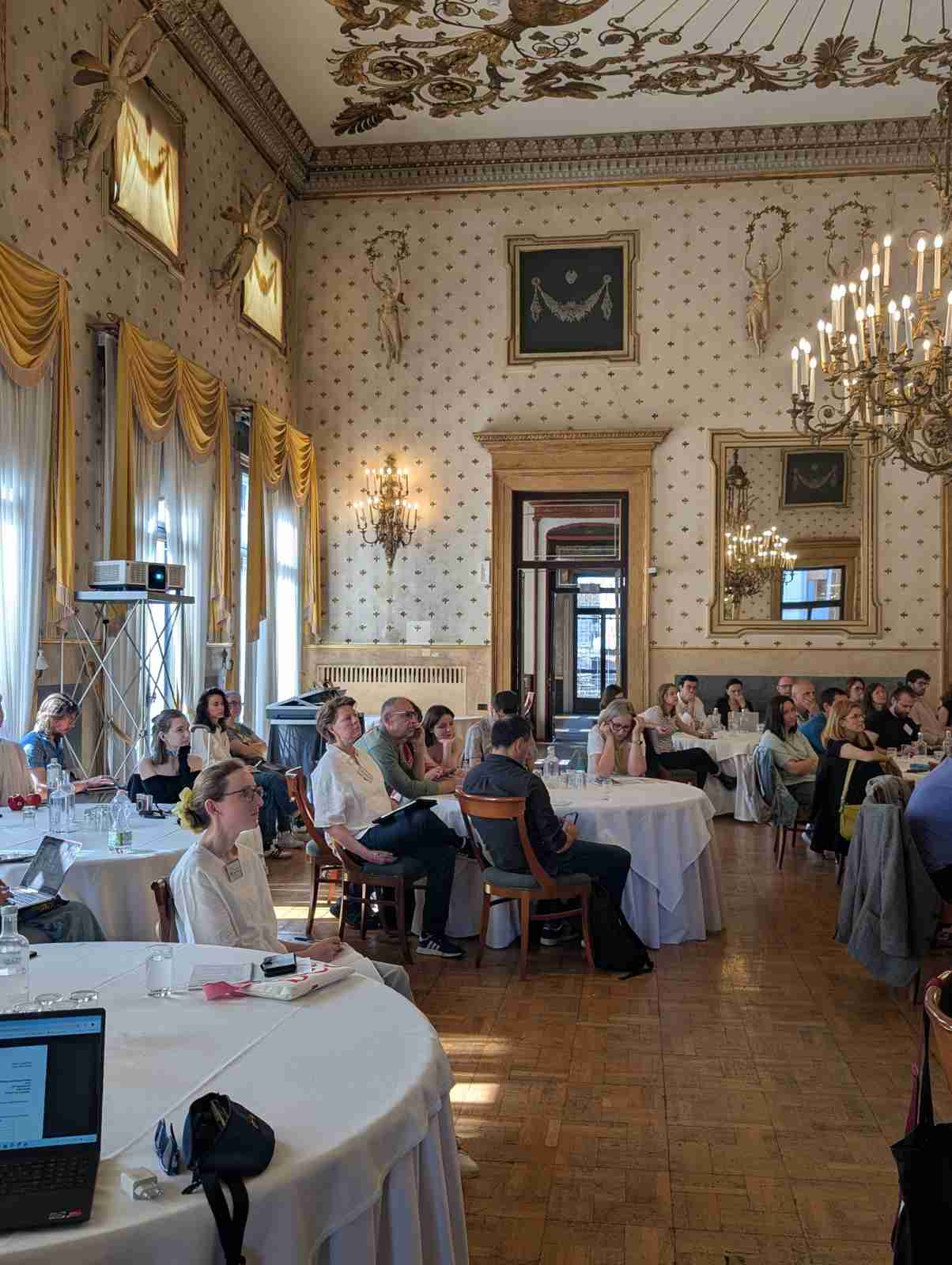
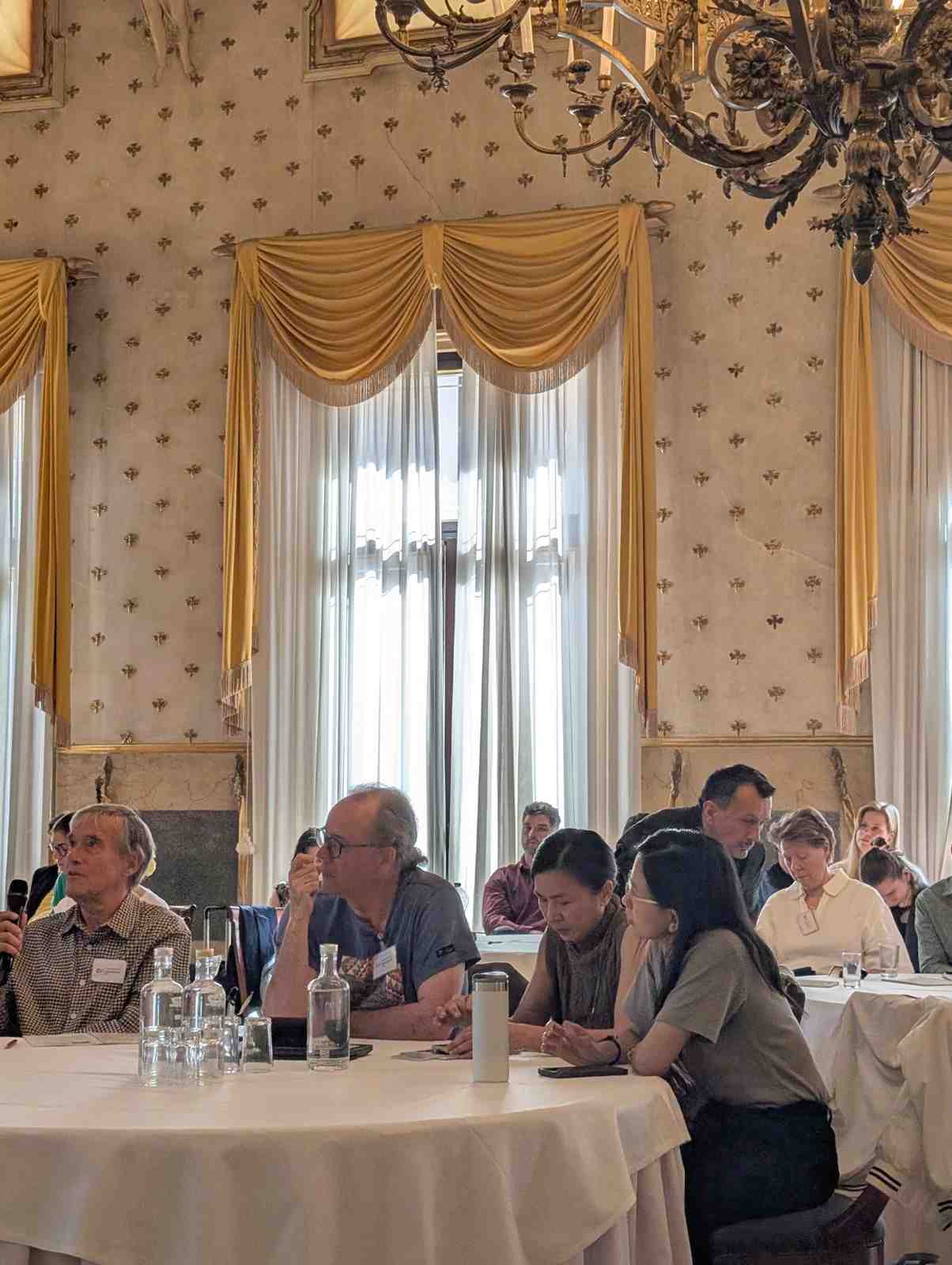
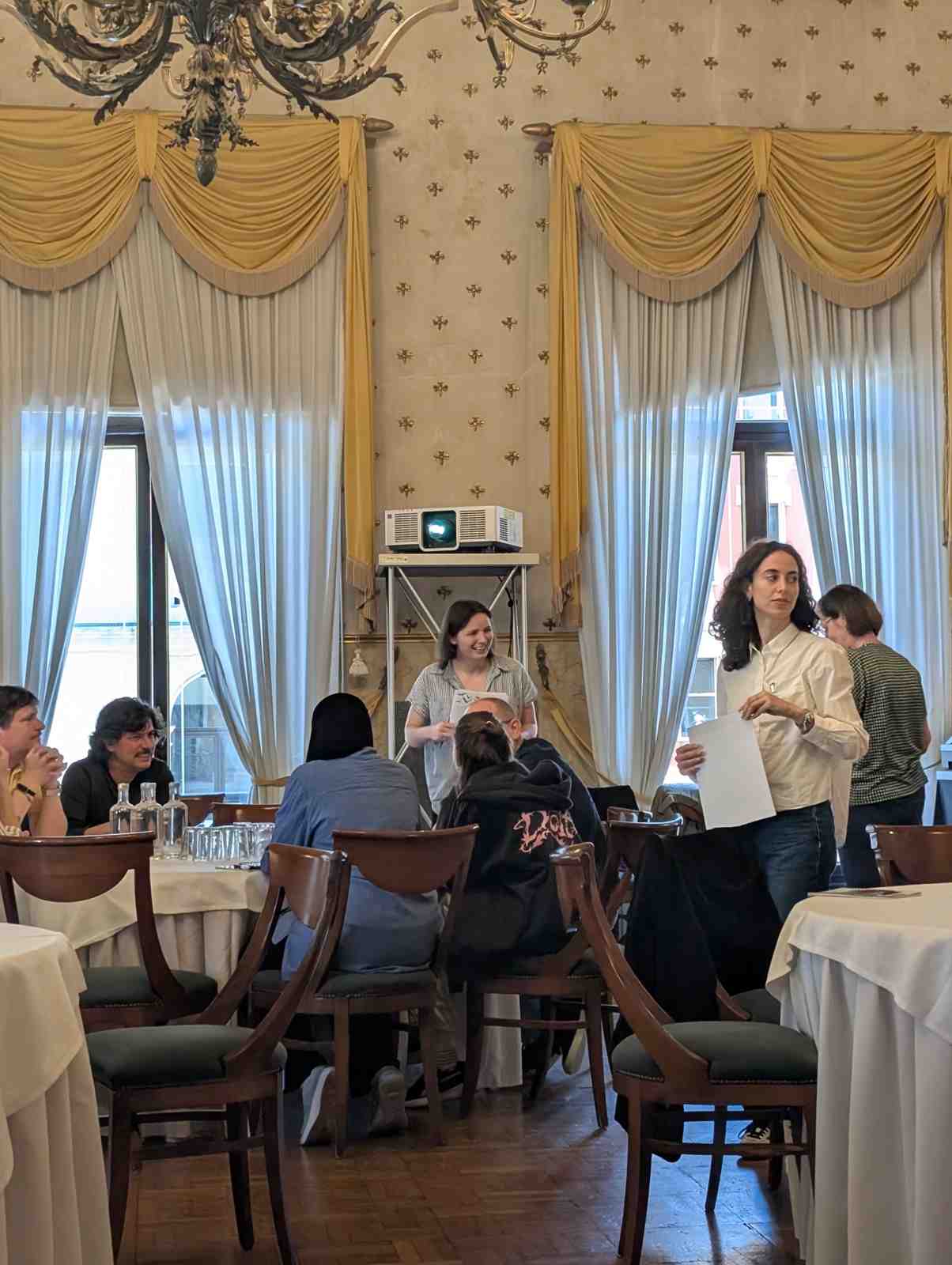
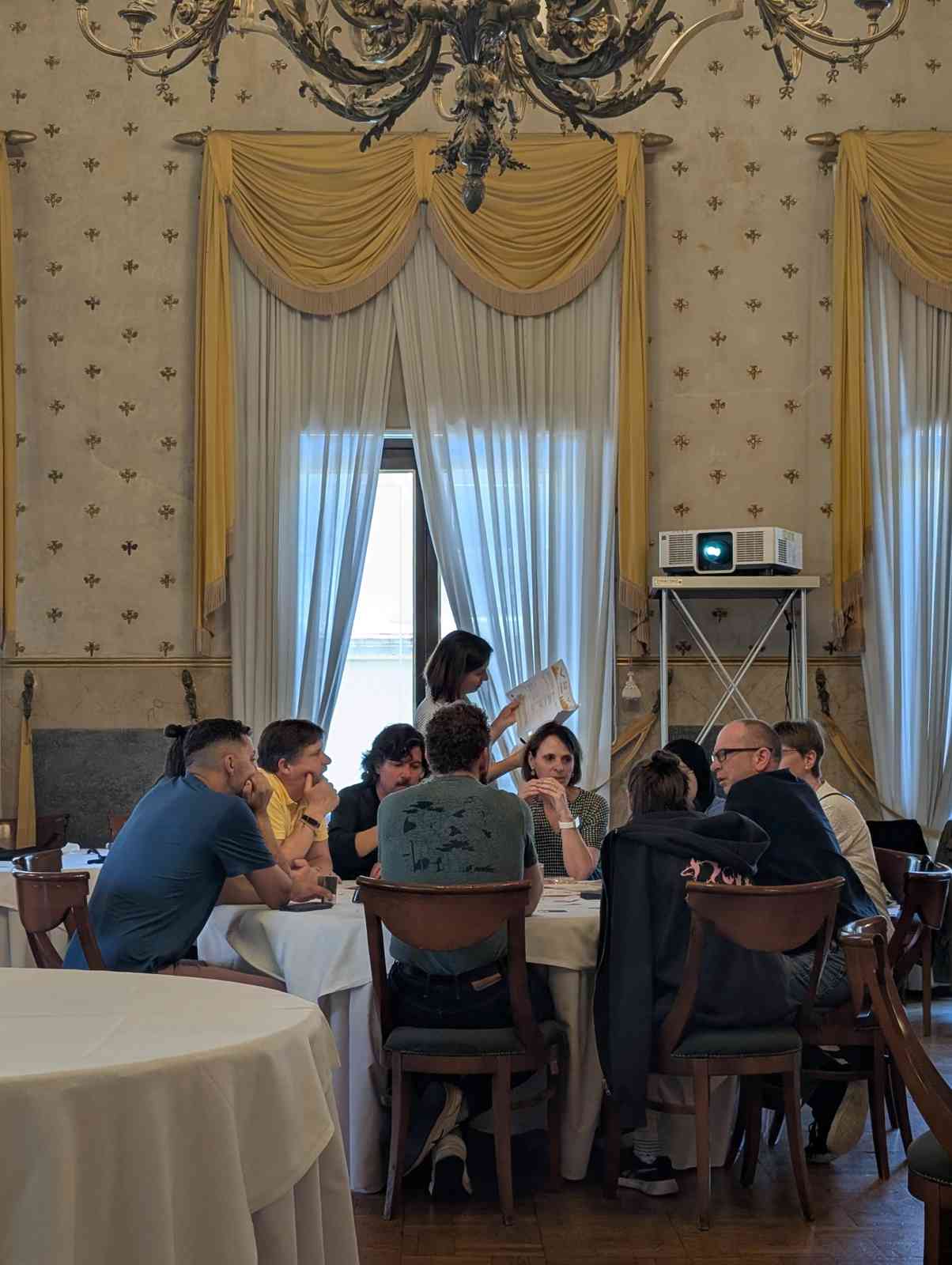
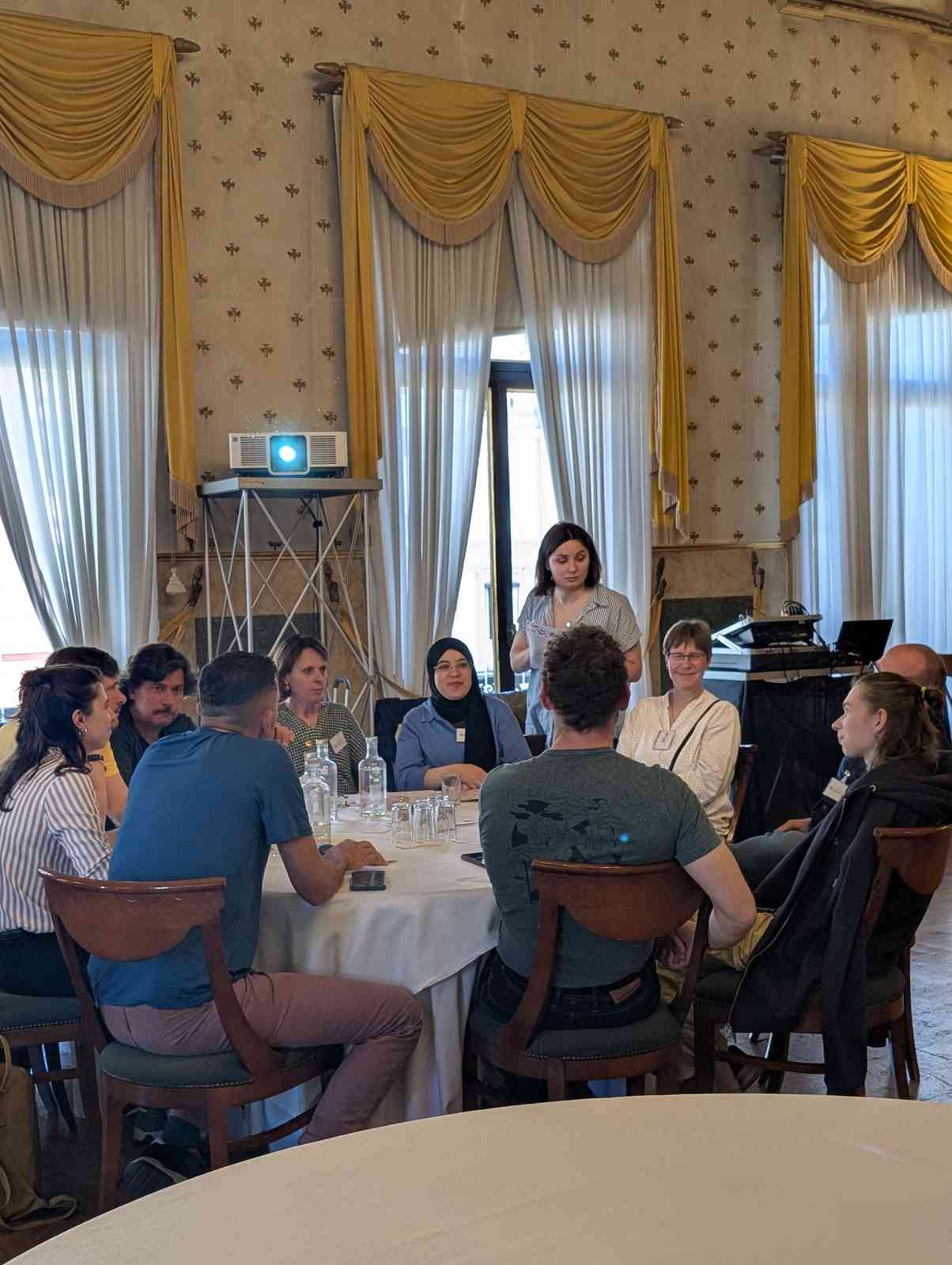
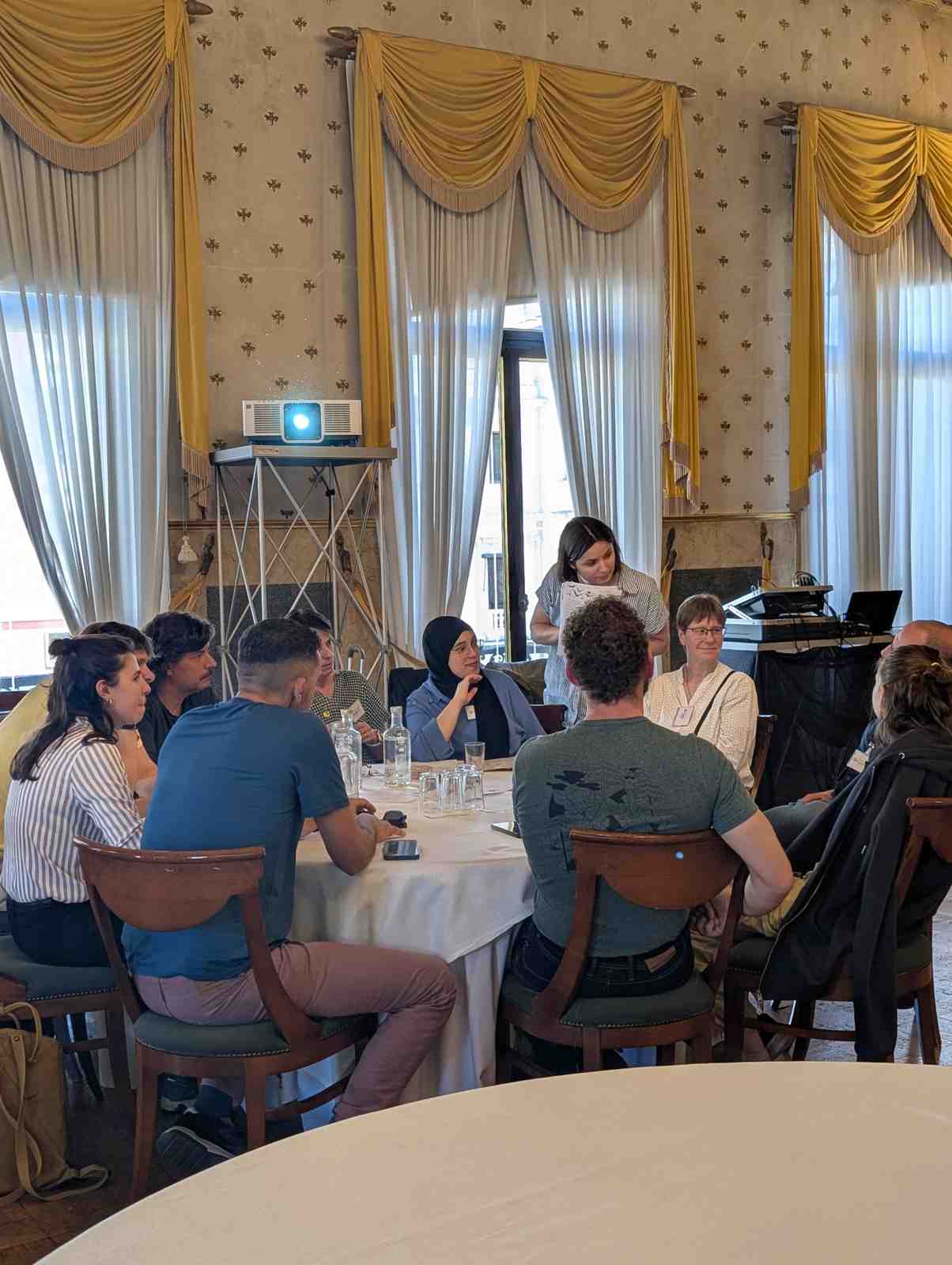
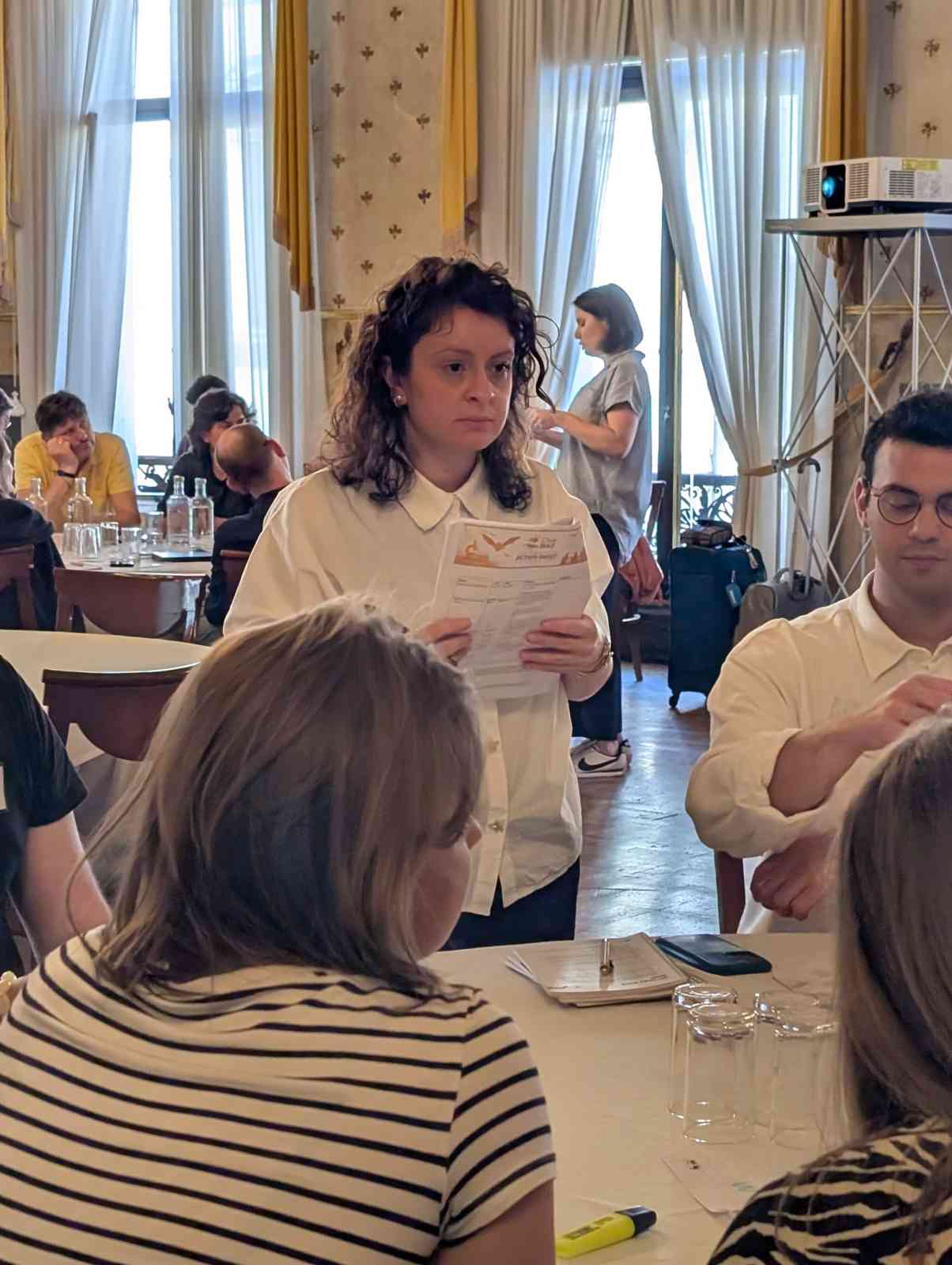
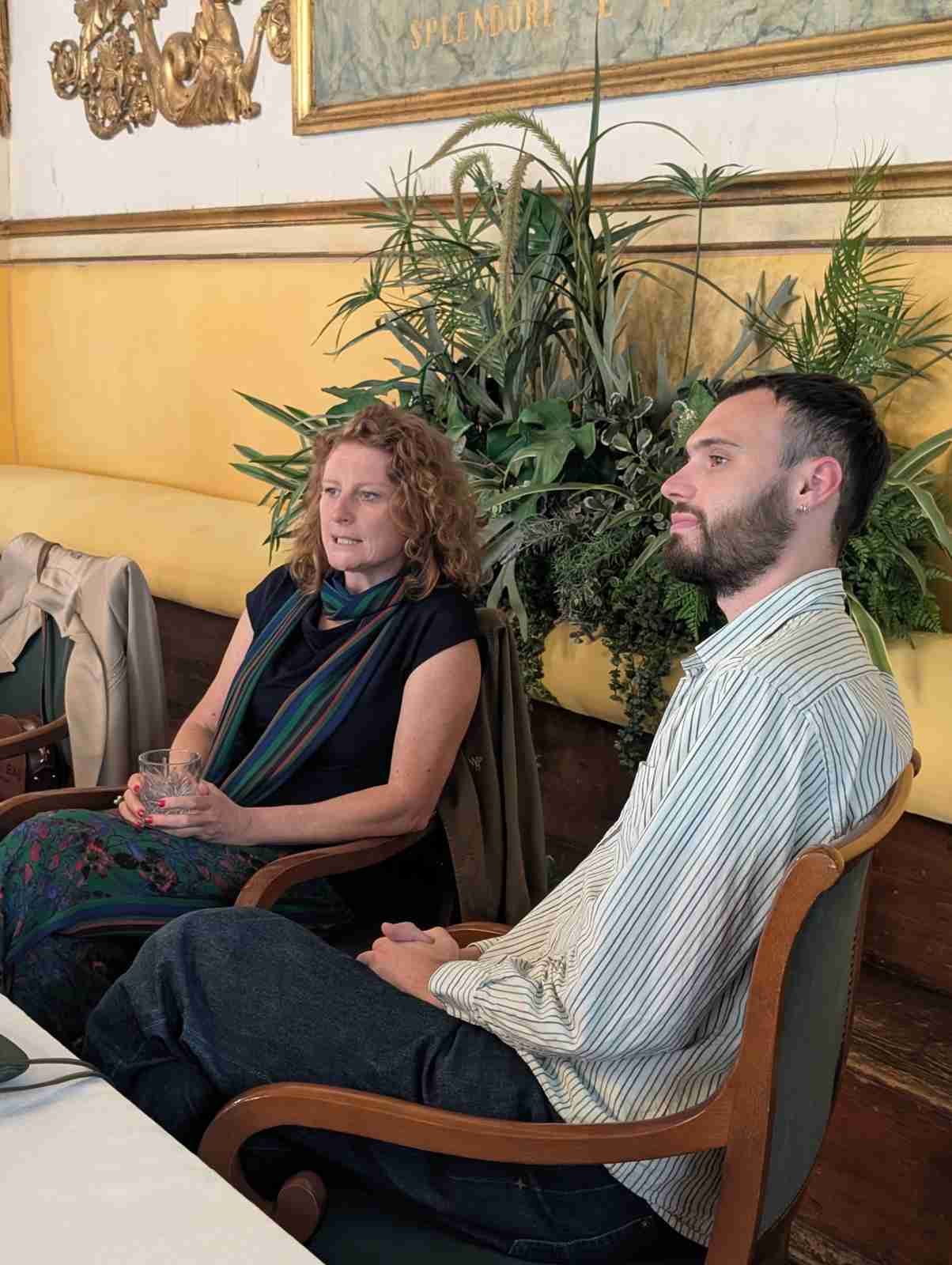
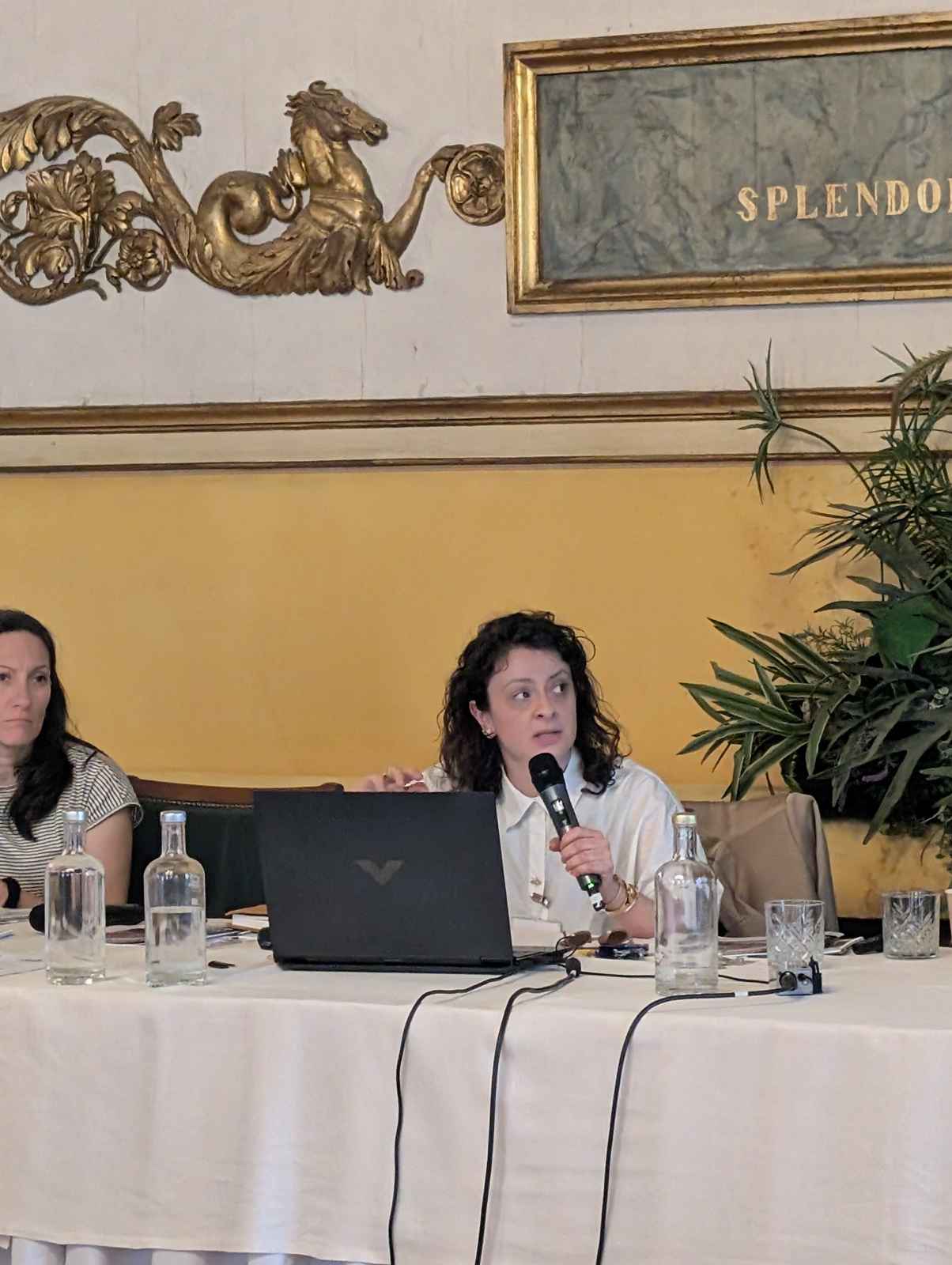
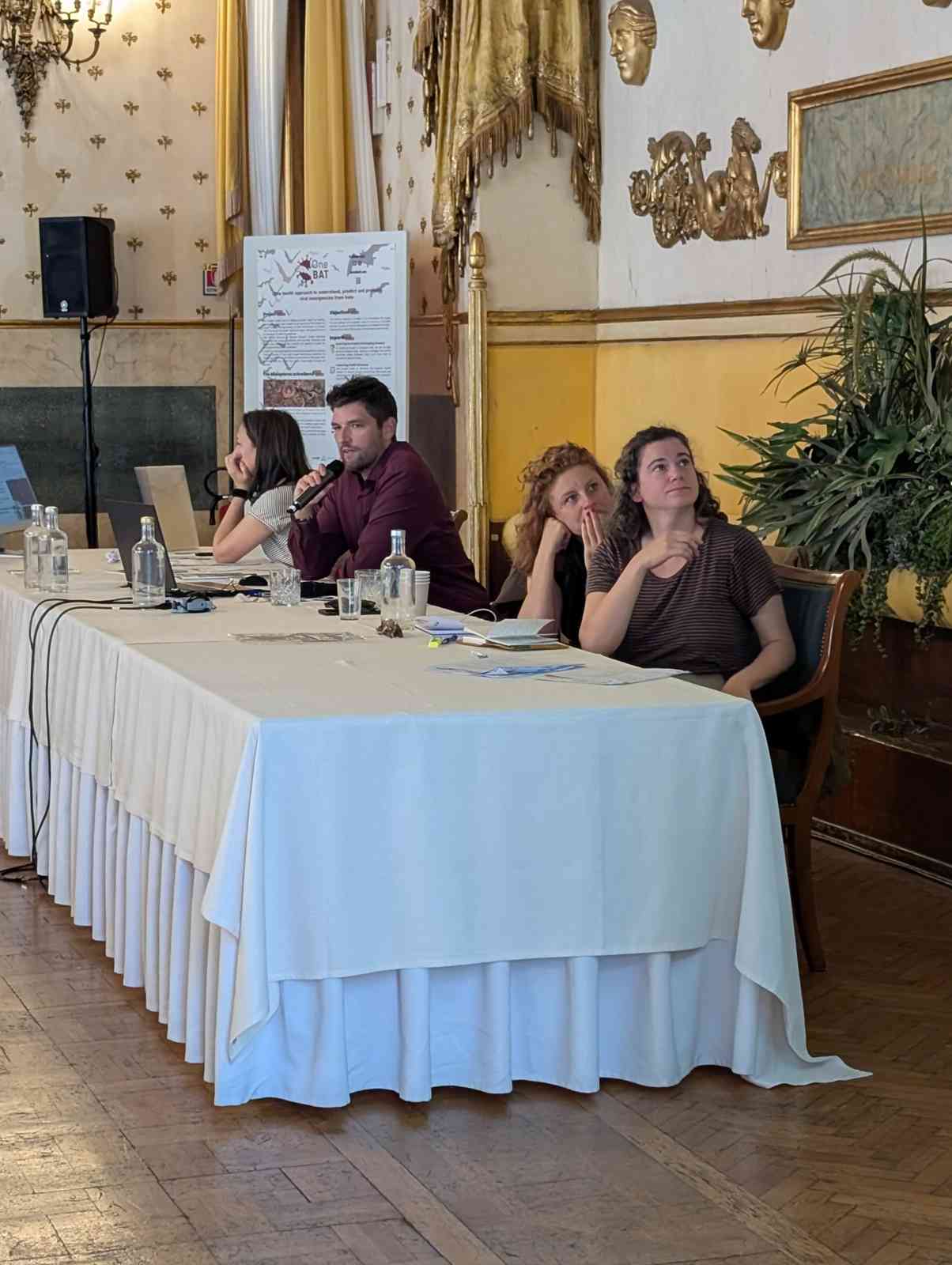
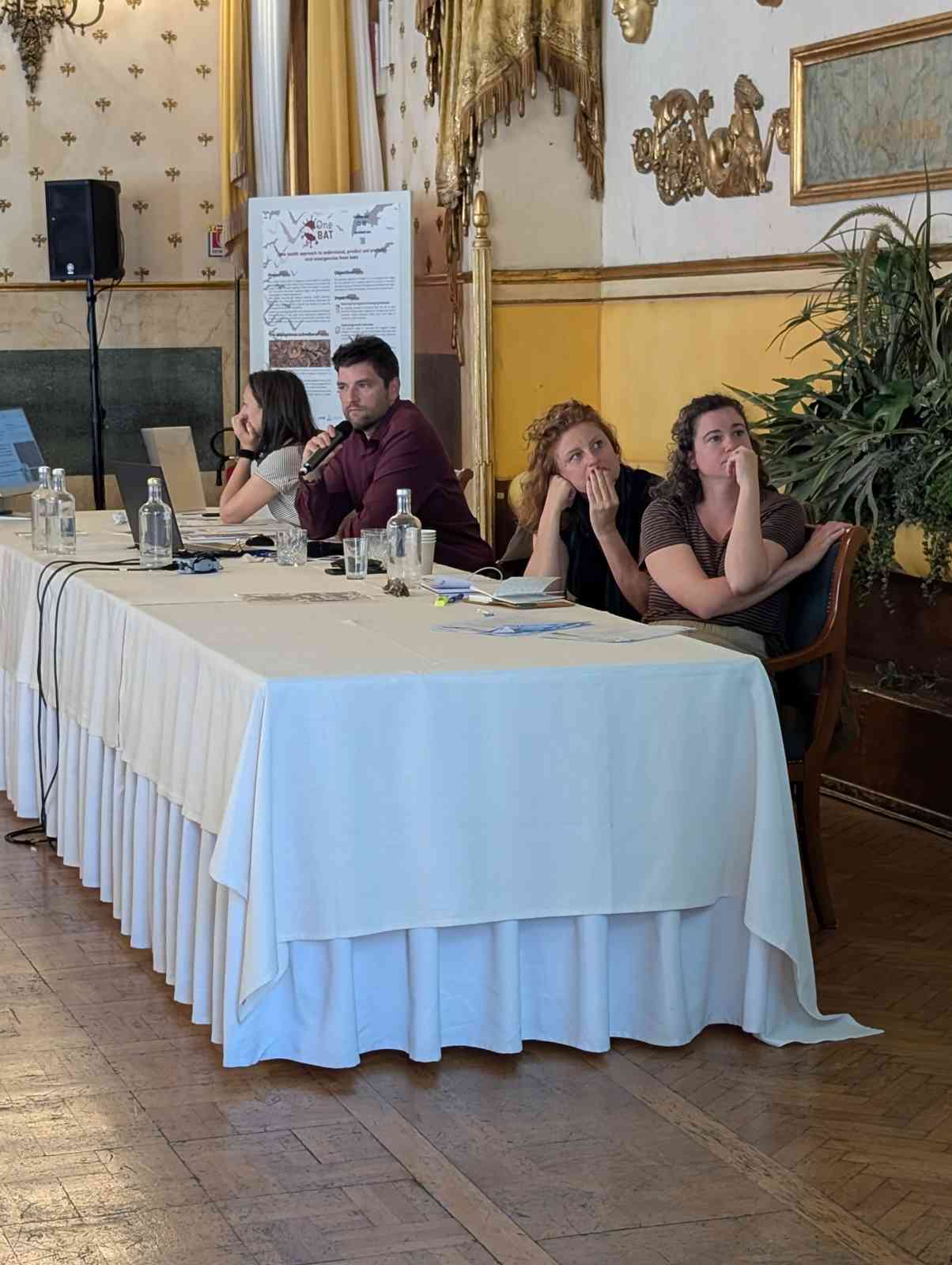
Pictures of the event
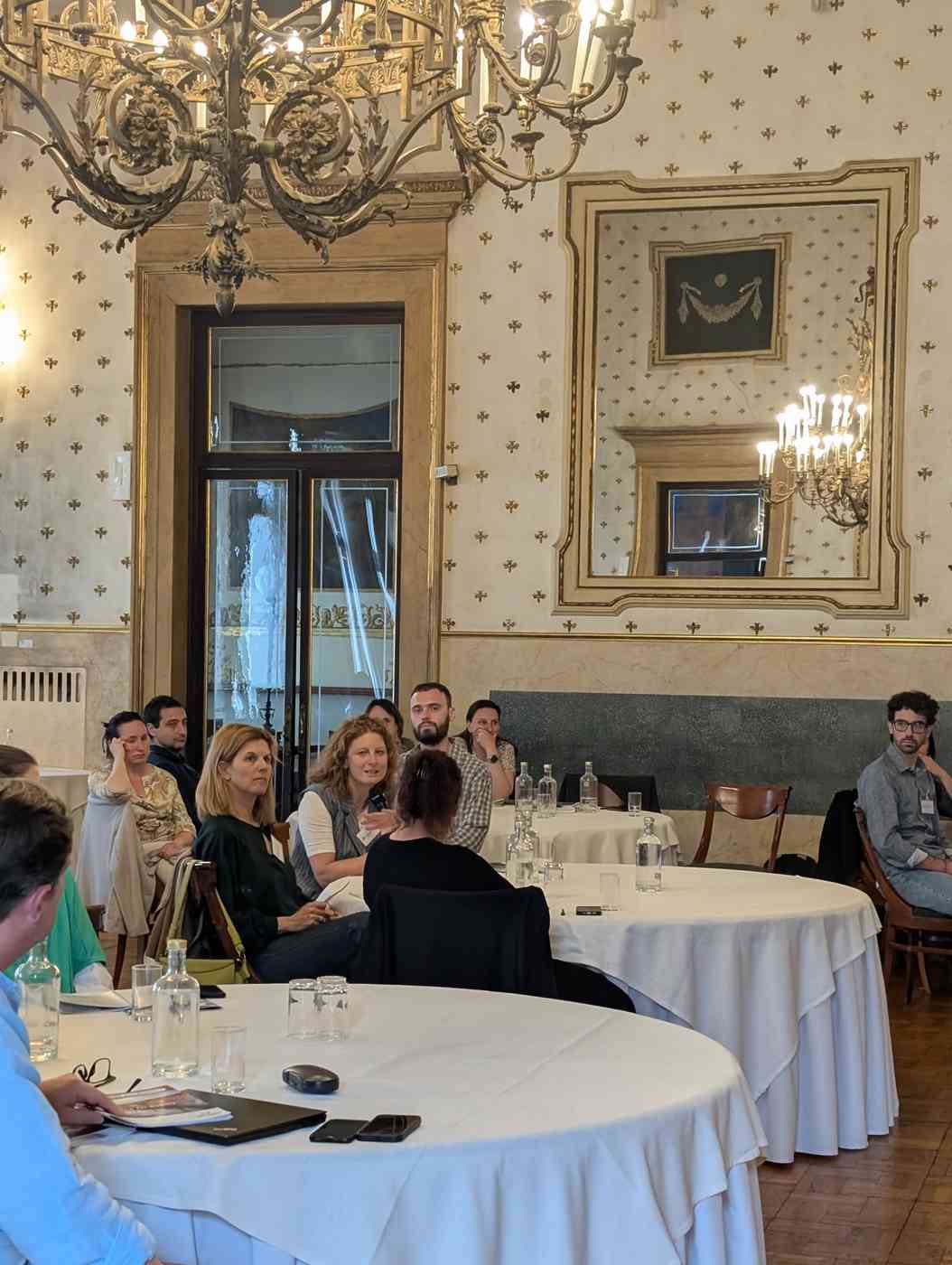
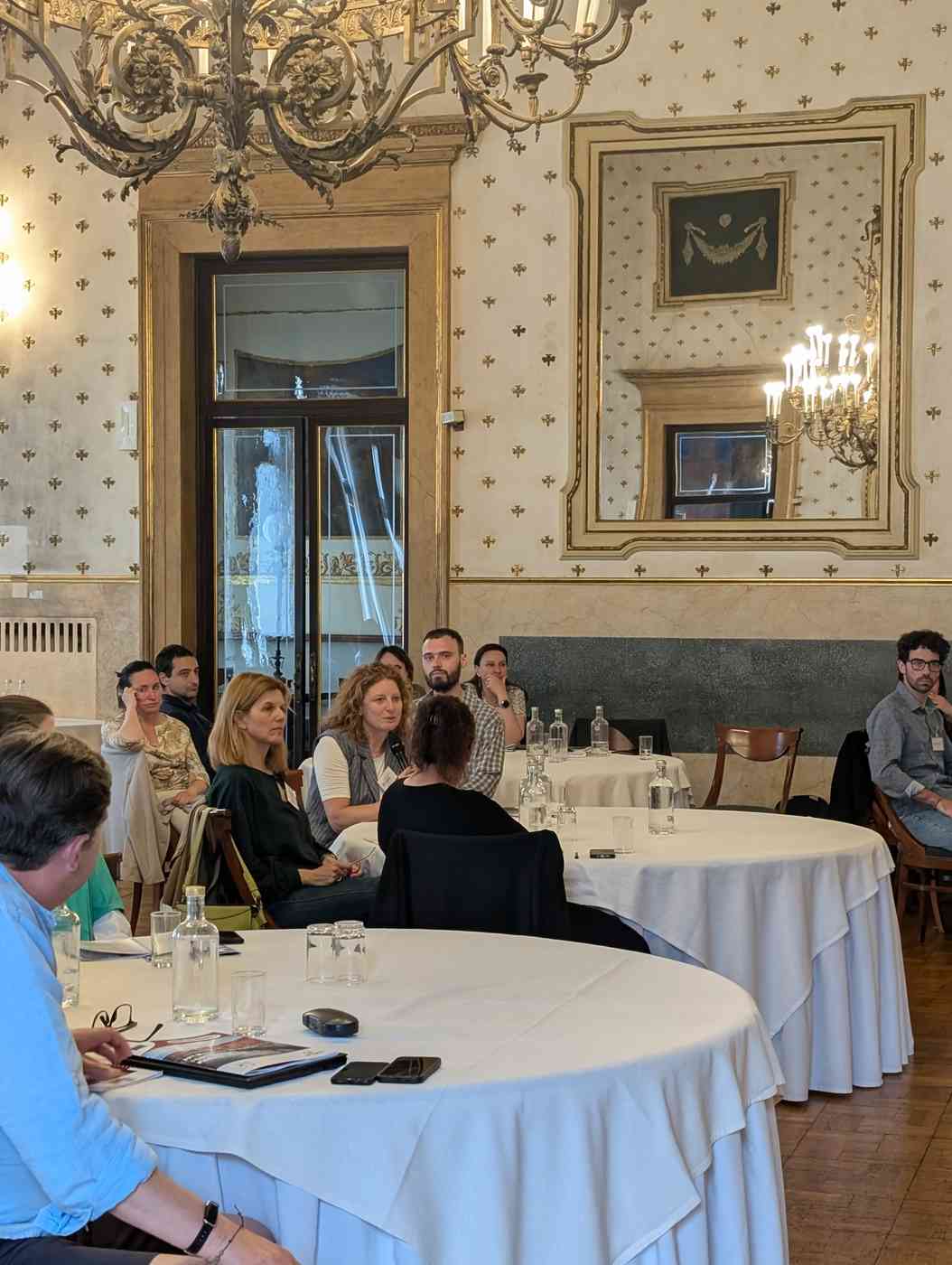
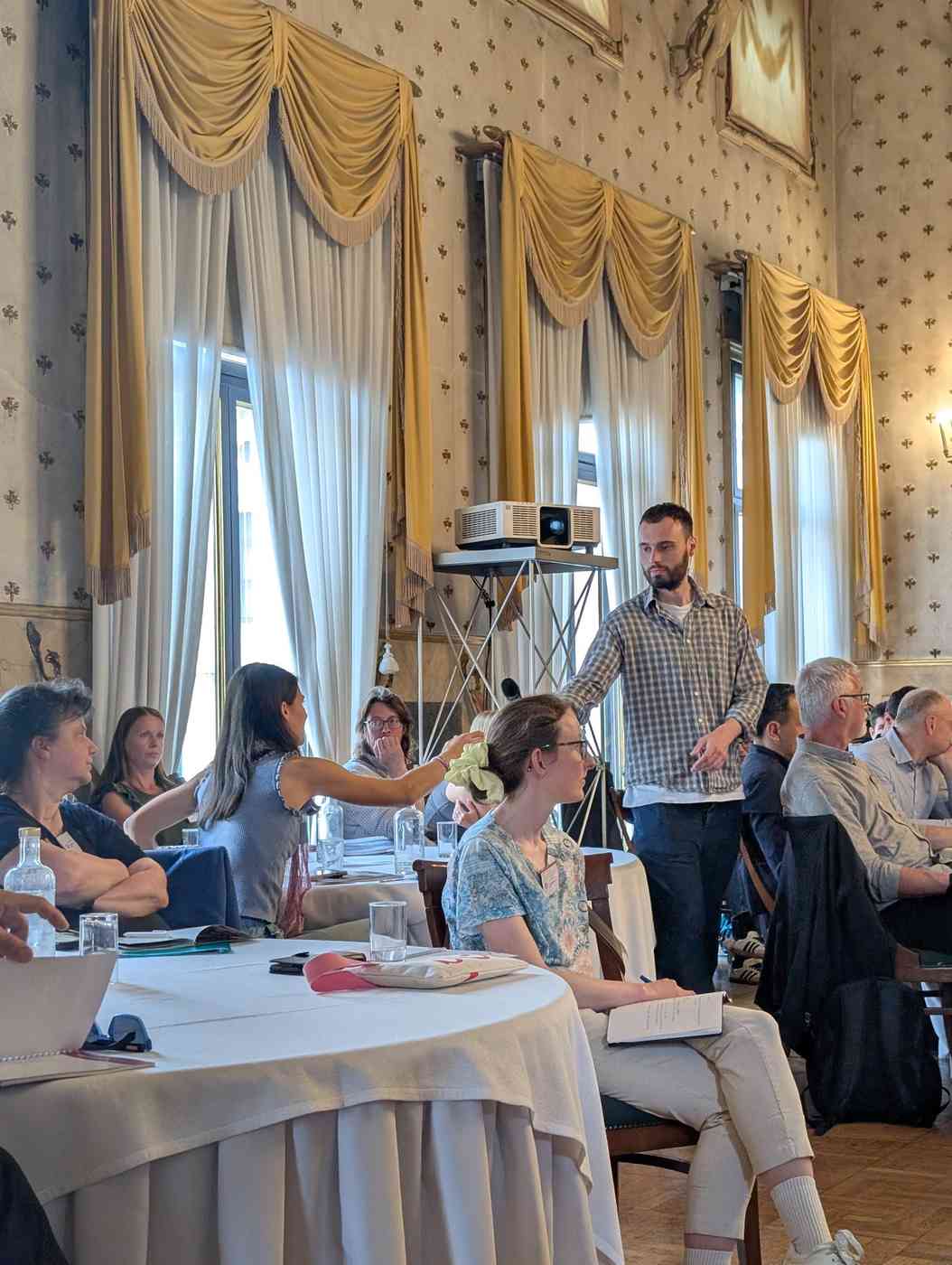
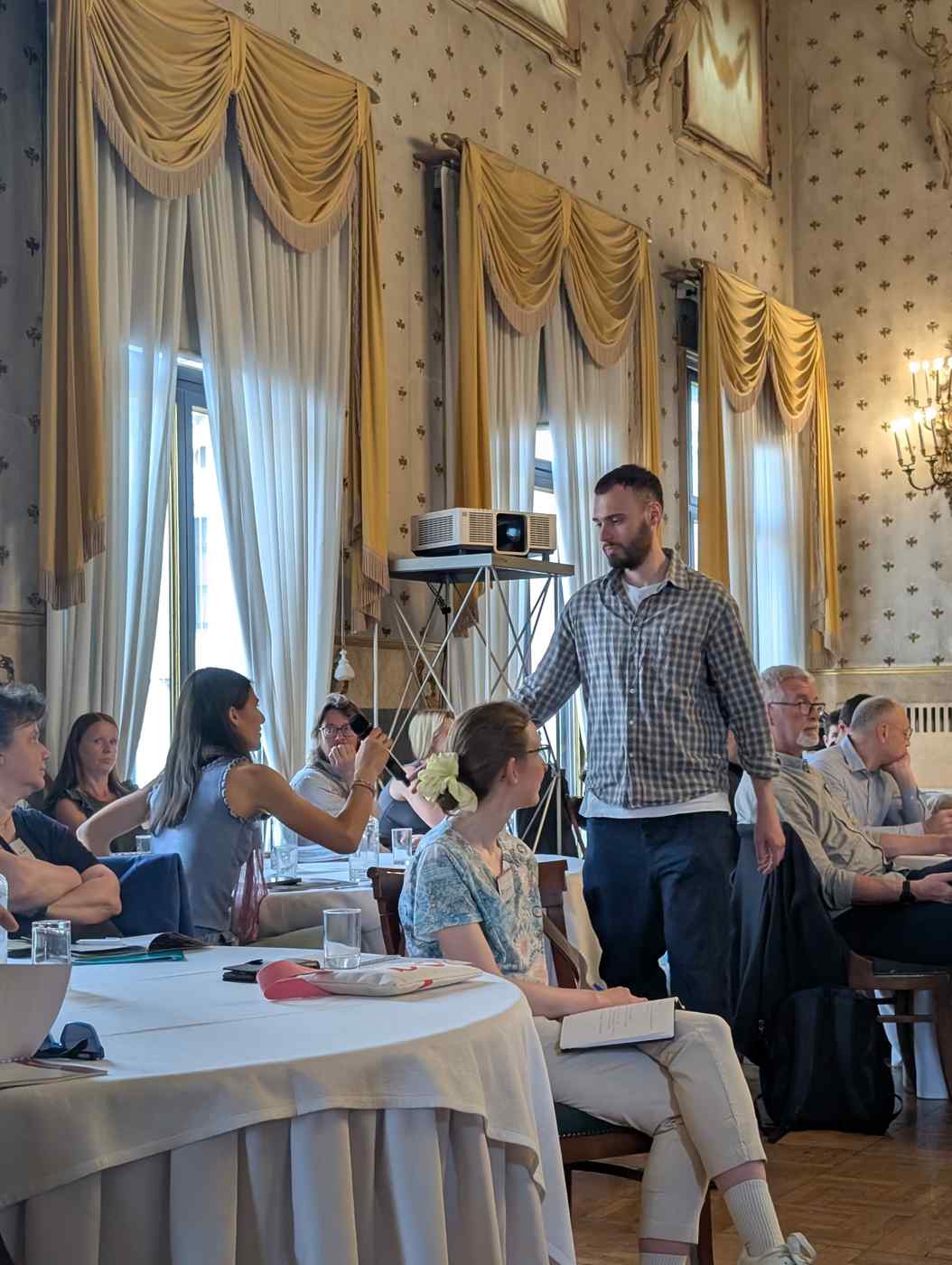
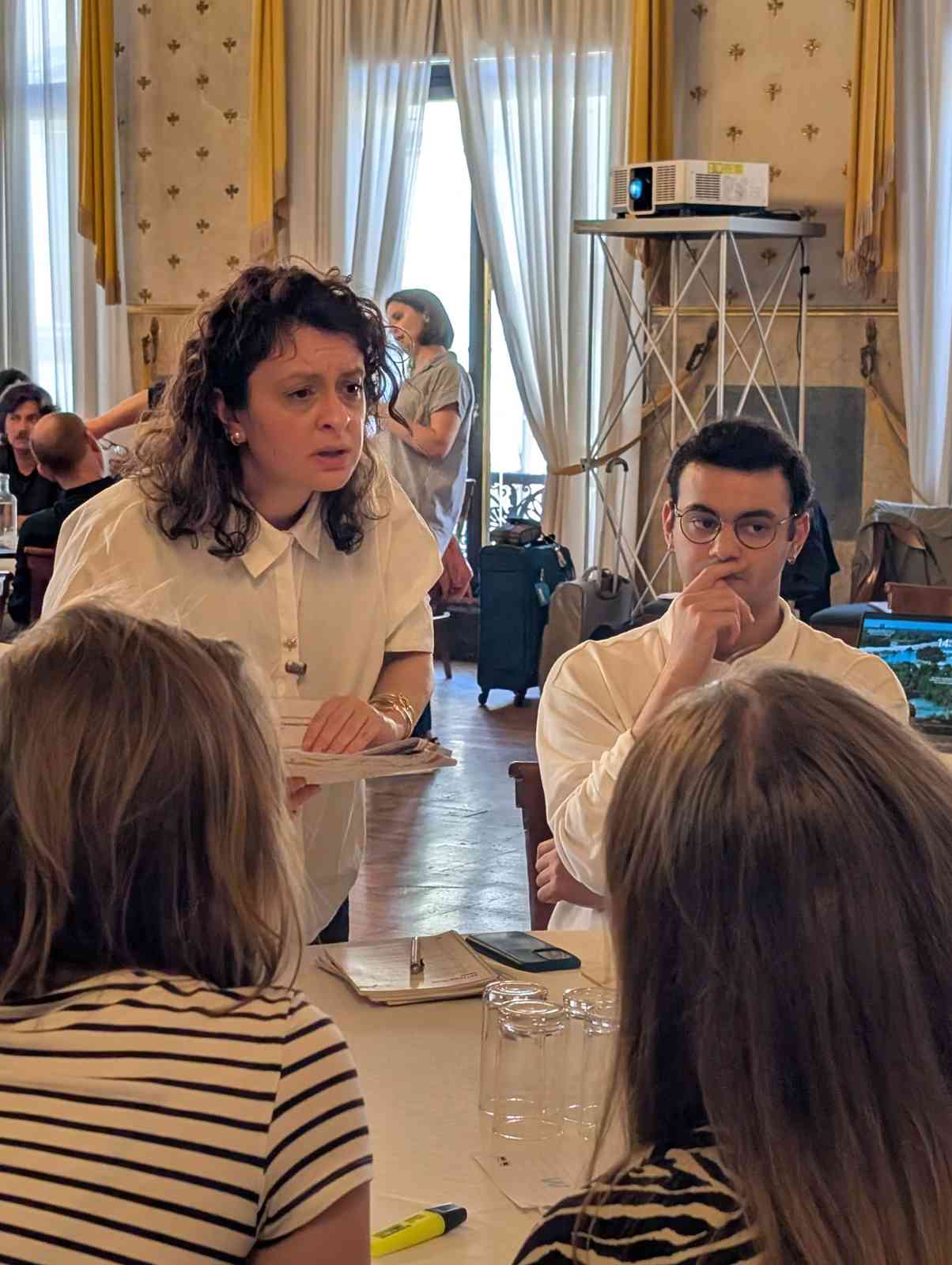
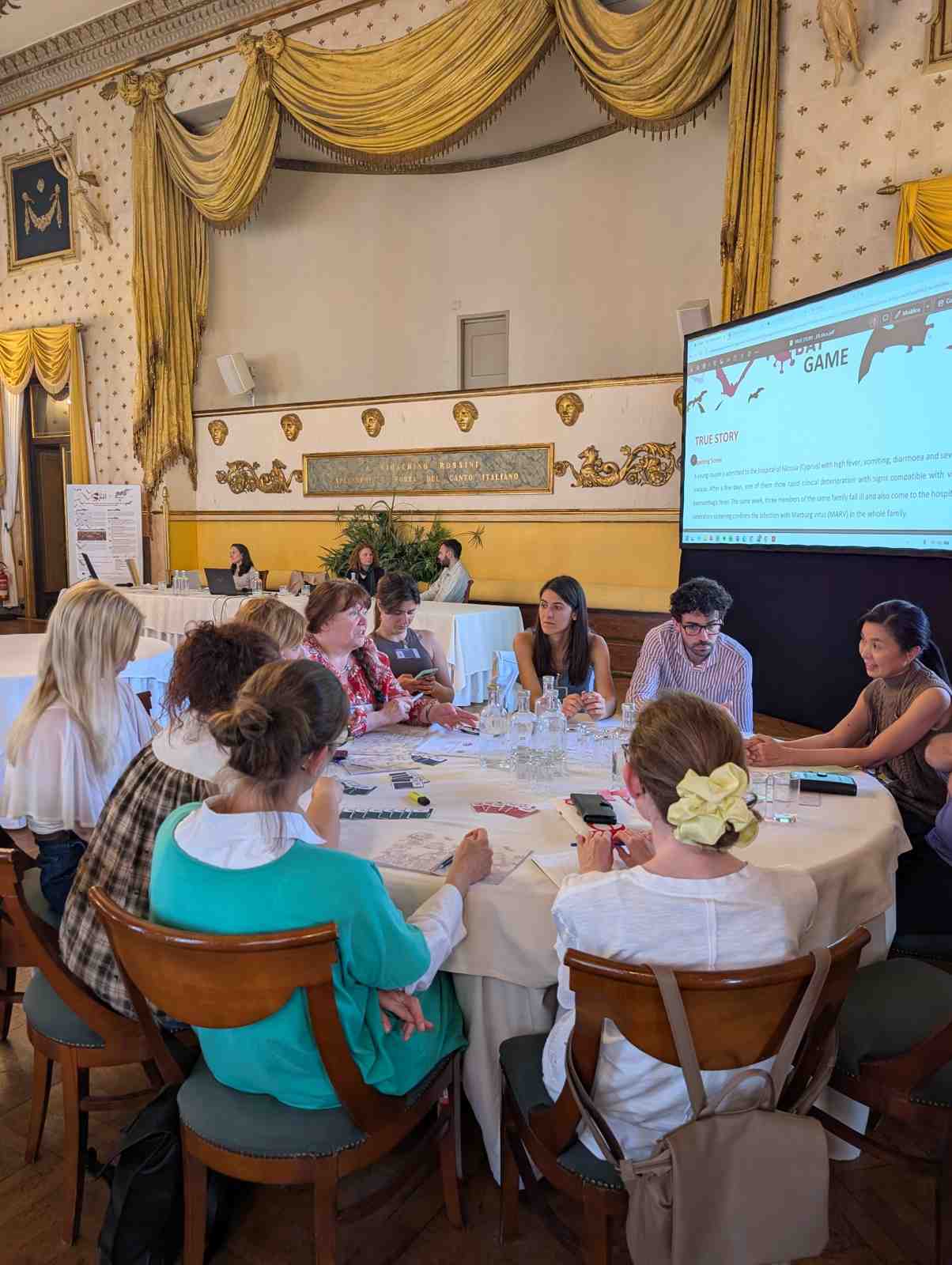
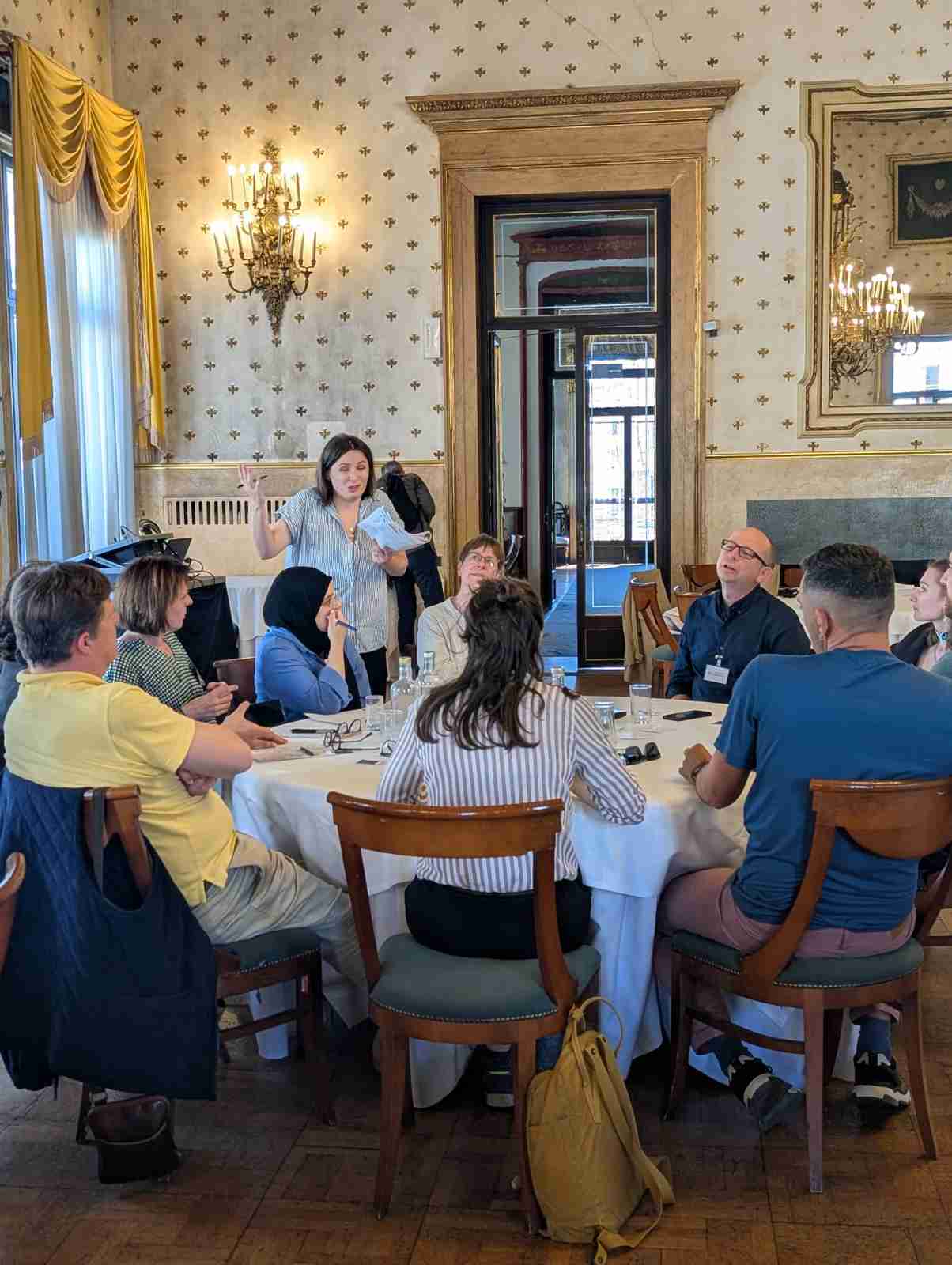
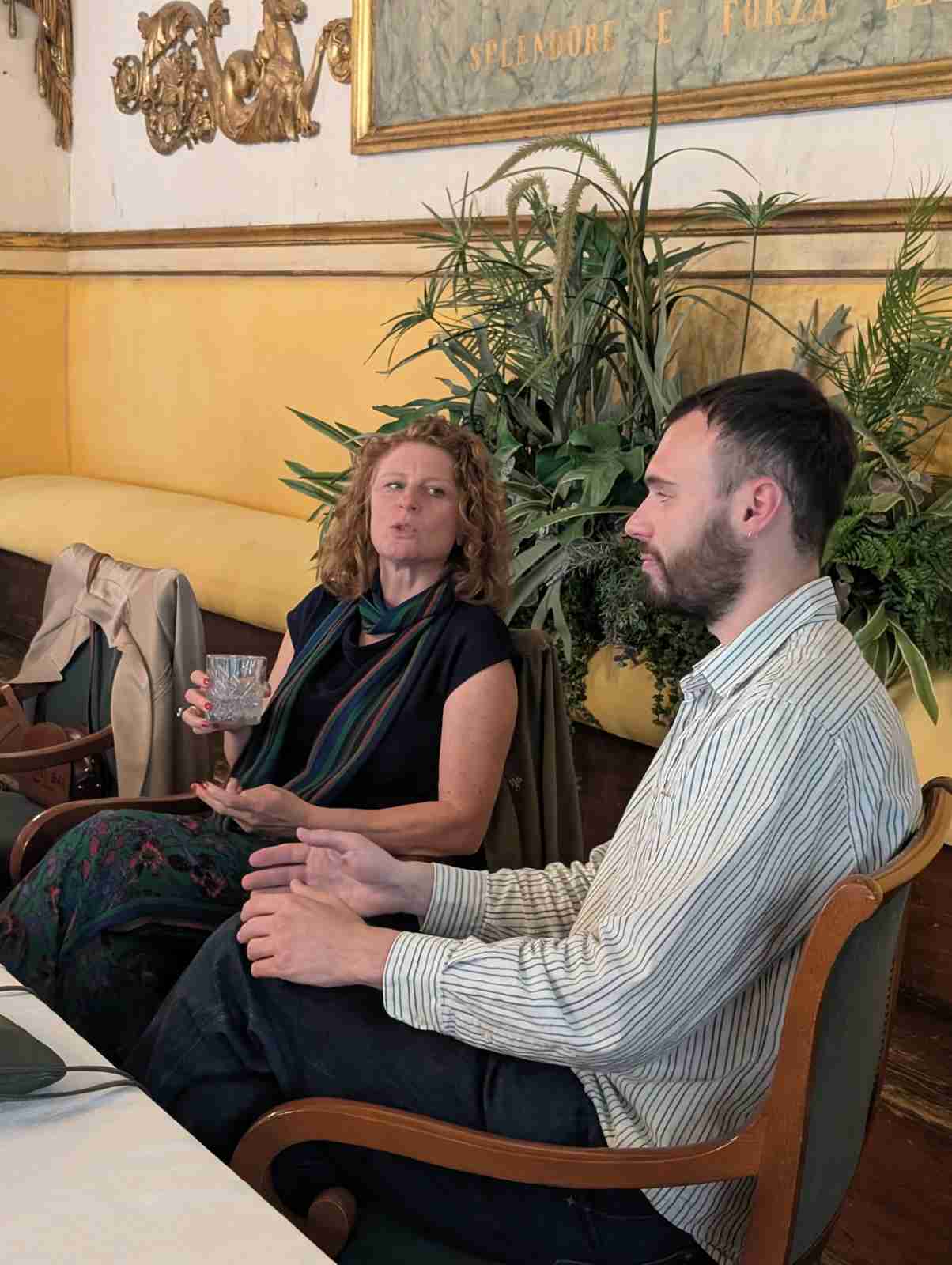
Location
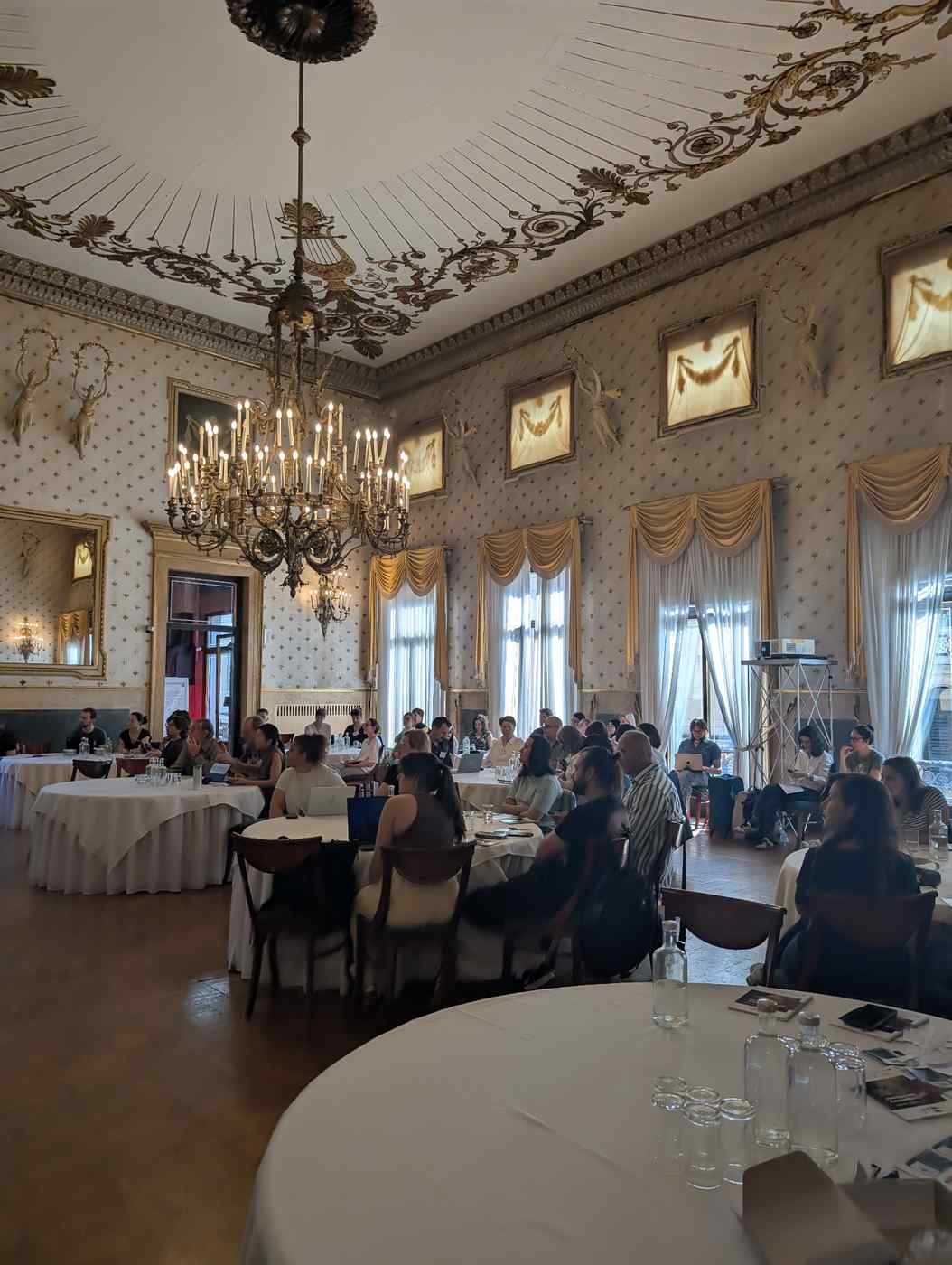
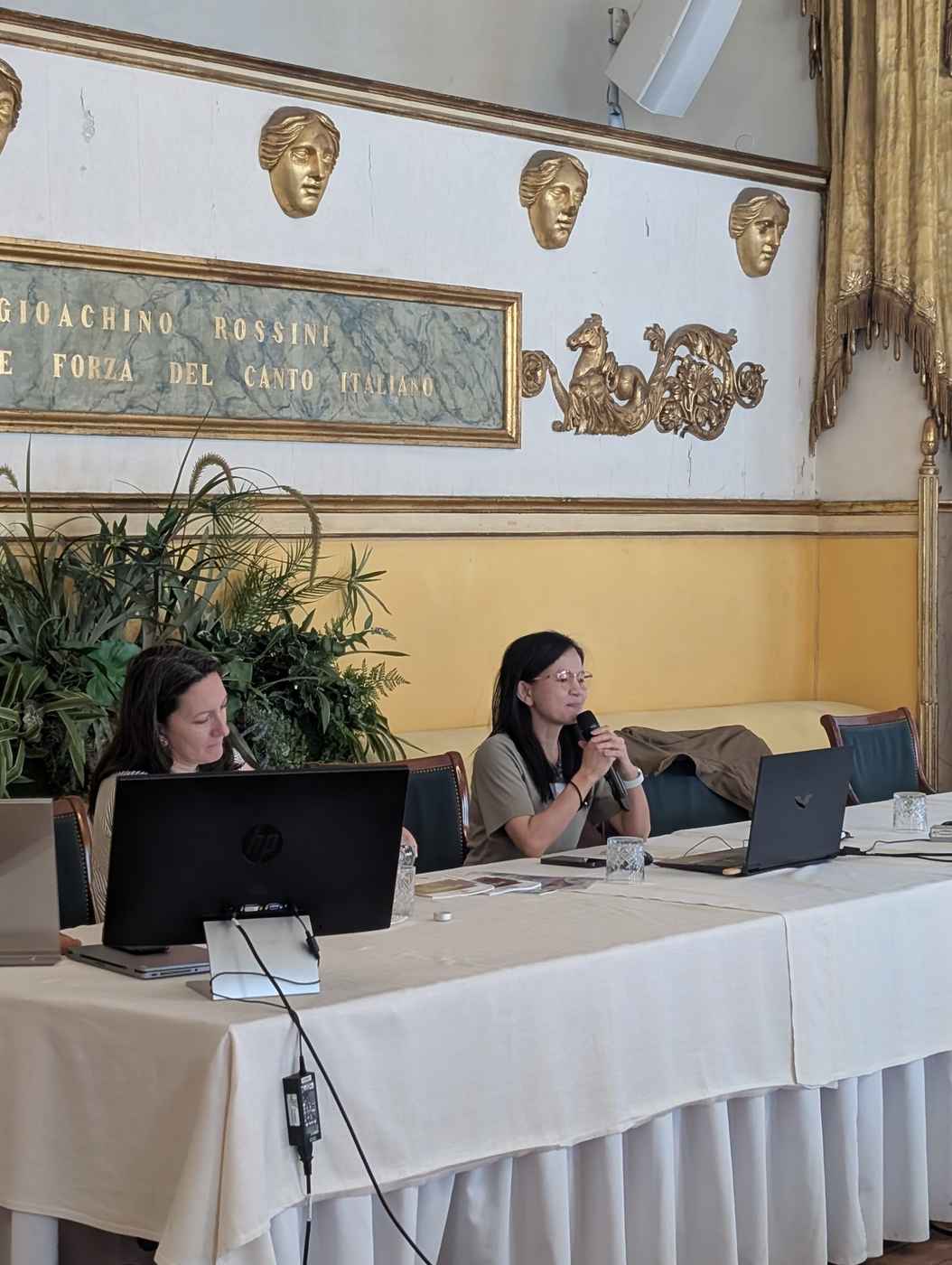
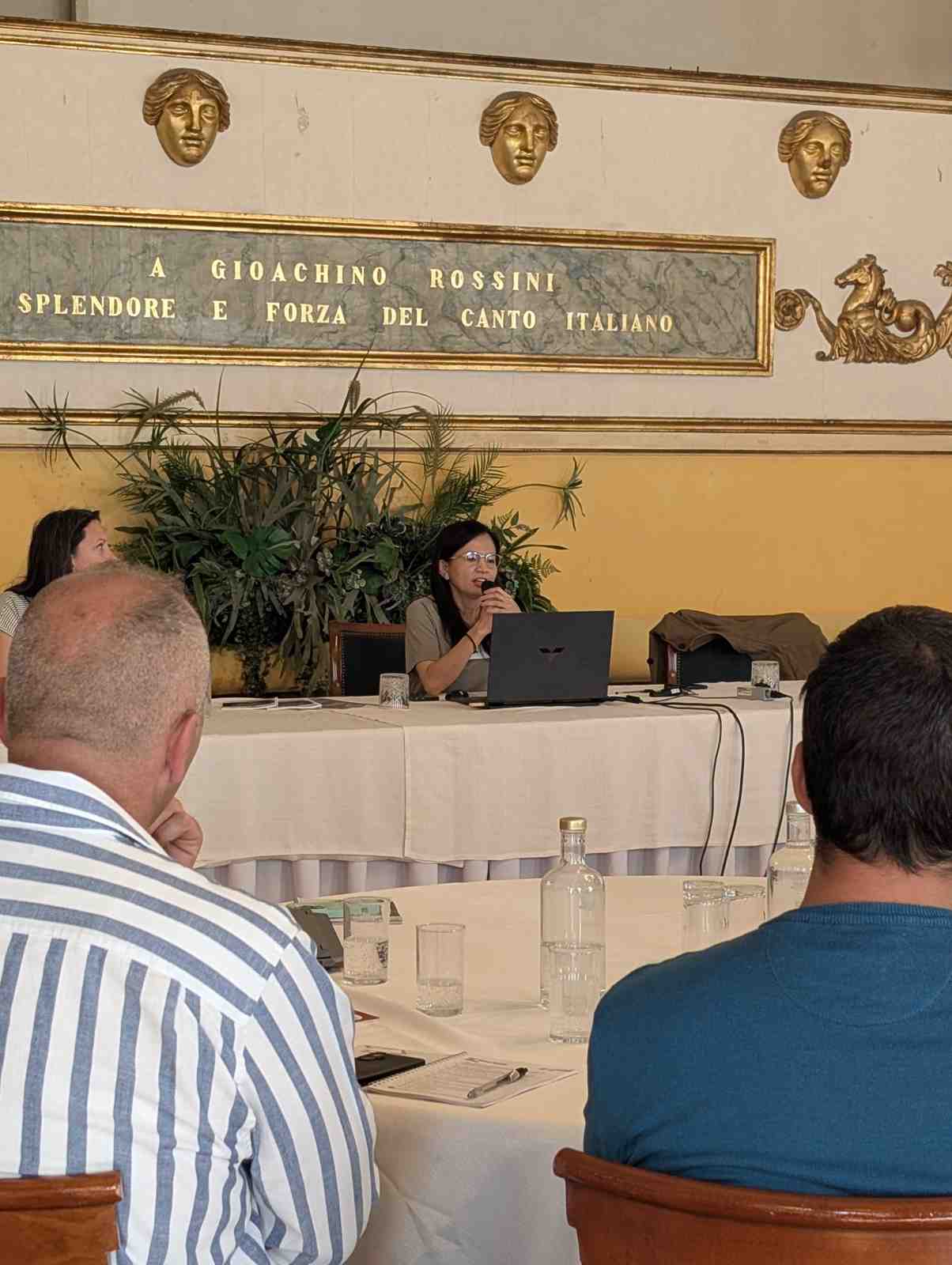
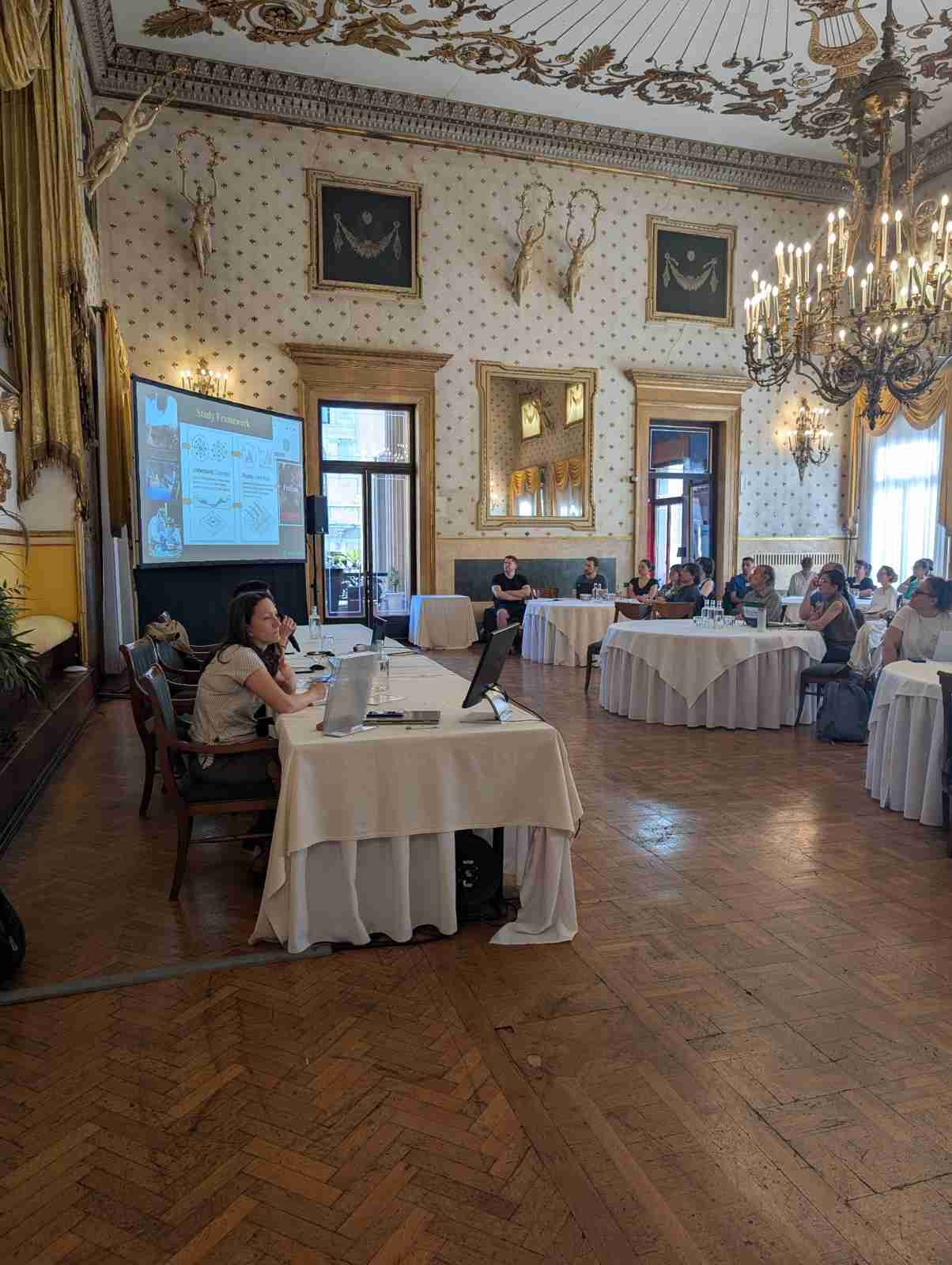
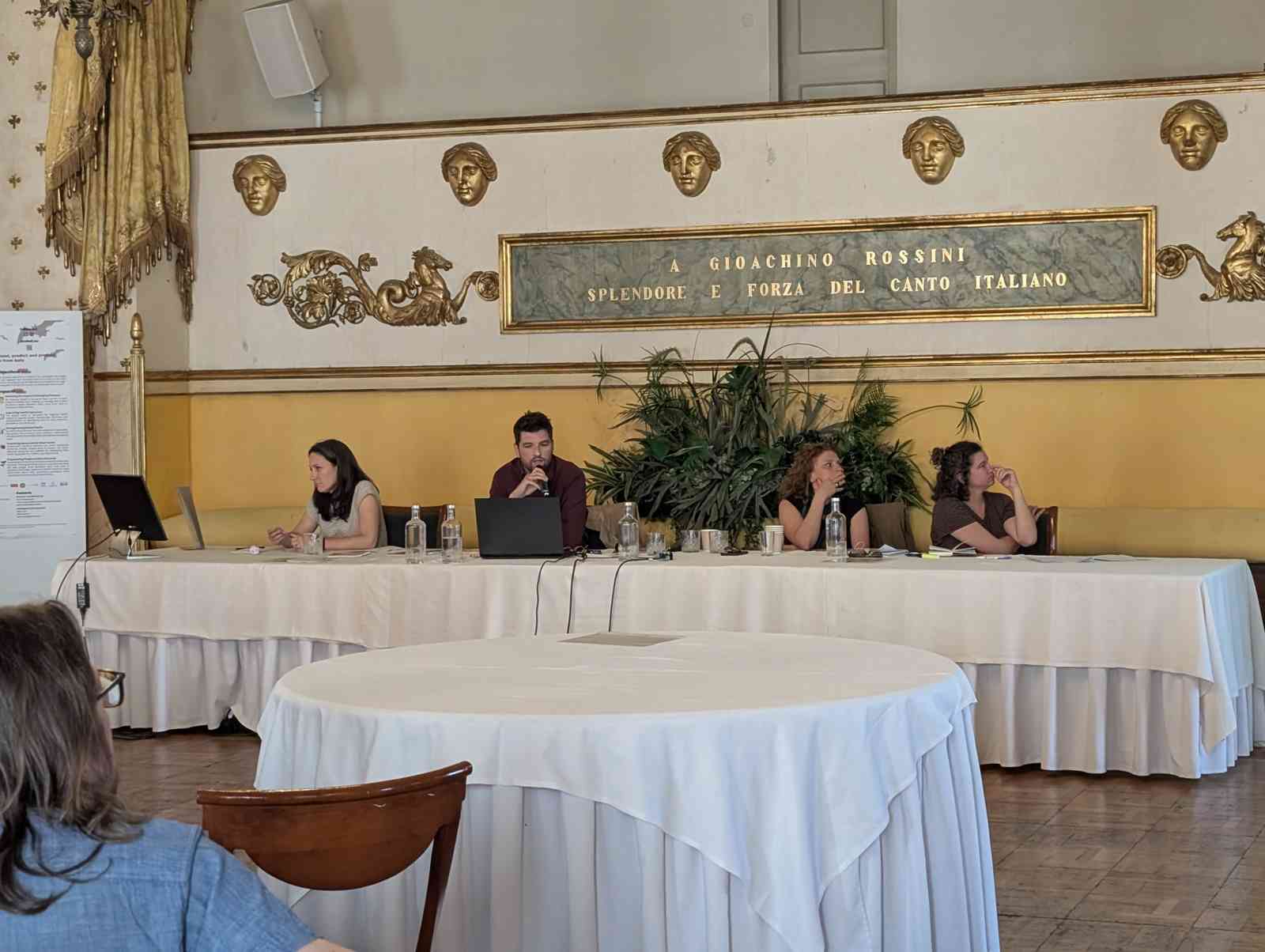
The training took take place at Palazzo Pedrocchi, Sala Rossini, located in Via VIII Febbraio, 15, Padova (Italy) 📍
Sala Rossini, also known as the Napoleonic Hall, is the central and most prestigious room of the Piano Nobile of the historic Caffè Pedrocchi. Designed in elegant Empire style, it is richly decorated with musical-themed stuccoes and refined drapery, reflecting its cultural and historical significance. Inaugurated in 1842, the hall has long hosted conferences, ceremonies, and cultural events, making it one of Padua’s most iconic and representative venues.
Networking & Clustering

ZOOSURSY is an EU-funded project focused on improving the surveillance, early detection, and understanding of zoonotic diseases at the human–animal–environment interface. By strengthening research capacity, diagnostics, and policy collaboration through a One Health approach, the project aims to enhance outbreak preparedness, protect biodiversity, and support more resilient public and animal health systems.

BCOMING (“Innovating to protect biodiversity and to thereby reduce infectious disease outbreaks”) is a Horizon Europe project led by Julien Cappelle, disease ecologist at CIRAD, who, in partnership with the PREZODE initiative and strong scientific project partners, will concentrate their efforts in areas where biodiversity hotspots are declining due to human activity,
in order to understand, prevent and react to future pandemics.
Training Agenda
You can download all the presentations by clicking on the title
20th May 2026 | Day 1
12:30 – 14:00 > Welcoming light lunch
14:00 – 14:20 > The OneBAT project at a glance | Paola De Benedictis, OneBAT Project Coordinator (Istituto Zooprofilattico Sperimentale delle Venezie)
14:20 – 14:40 > Ecology of bat viruses | Stefania Leopardi (Istituto Zooprofilattico Sperimentale delle Venezie)
14:40 – 15:00 > Lyssaviruses in Europe | Emmanuelle Robardet (Agence Nationale de la Sécurité Sanitaire de l'Alimentation, de l'Environnement et du Travail)
15:00 – 15:30 > Balancing Science and Welfare: Protection of Bats in the OneBat Project under Directive 2010/63/EU | Franco Mutinelli (Istituto Zooprofilattico Sperimentale delle Venezie)
15:30 – 16:00 > Coffee break
16:00 – 16:30 > The IUCN SSC Bat Specialist Group Guidelines for Field Hygiene : Origins, challenges, and adoption | Julie Shapiro (Agence Nationale de la Sécurité Sanitaire de l'Alimentation, de l'Environnement et du Travail)
16:30 – 17:00 > CACCHI platform: bat capture training and permit delivery in France | Julie Marmet (Muséum national d'Histoire naturelle)
17:00 – 18:30 > Networking session
20:00 / 20:30 > Social dinner
21st May 2026 | Day 2
09:00 – 09:30 > Networking & Clustering, Project presentations – Seasonal Structuring of Bat Communities at a Transboundary Human–Wildlife Interface in Eastern Thailand | Aingorn Chaiyes (Sukhothai Thammathirat Open University, Pandasia Project)
09:30 – 10:00 > Networking & Clustering, Project presentations – From Bat Ecology to Disease Prevention: Lessons from EBO-SURSY and BCOMING, and Perspectives from ZOOSURSY | Morgane Labadie (CIRAD, Zoosursy Project & Bcoming Project)
10:00 – 10:20 > Bats capture & sampling | Tamas Görföl (University of Pécs | International Centre)
10:20 – 10:50 > Recent advances and remaining challenges in pathogen and antibody detection in bats | Laurent Dacheux (Institut Pasteur)
10:50 – 11:10 > Coffee break
11:10 – 11:30 > Serological analysis | Simon Scott (University of Kent)
11:30 – 11:50 > Epidemiological modelling of bat pathogen transmission | Pierre Nouvellet (University of Sussex)
11:50 – 12:00/12:10 > Working groups | Explanation of the work to be done
12:15 – 13:15 > Light lunch break (start the working session in groups)
13:15 – 15:15 > Working groups
15:15 – 16:15 > Presentation of the work
16:15 – 16:30 > Closing remarks
Organized by:


Contacts
> Emmanuelle Robardet (ANSES): [email protected]
> Andrea Spotti (beWarrant – TInexta Innovation Hub): [email protected]
> Paola De Benedictis (IZSVe): [email protected]
> Stefania Leopardi (IZSVe): [email protected]